

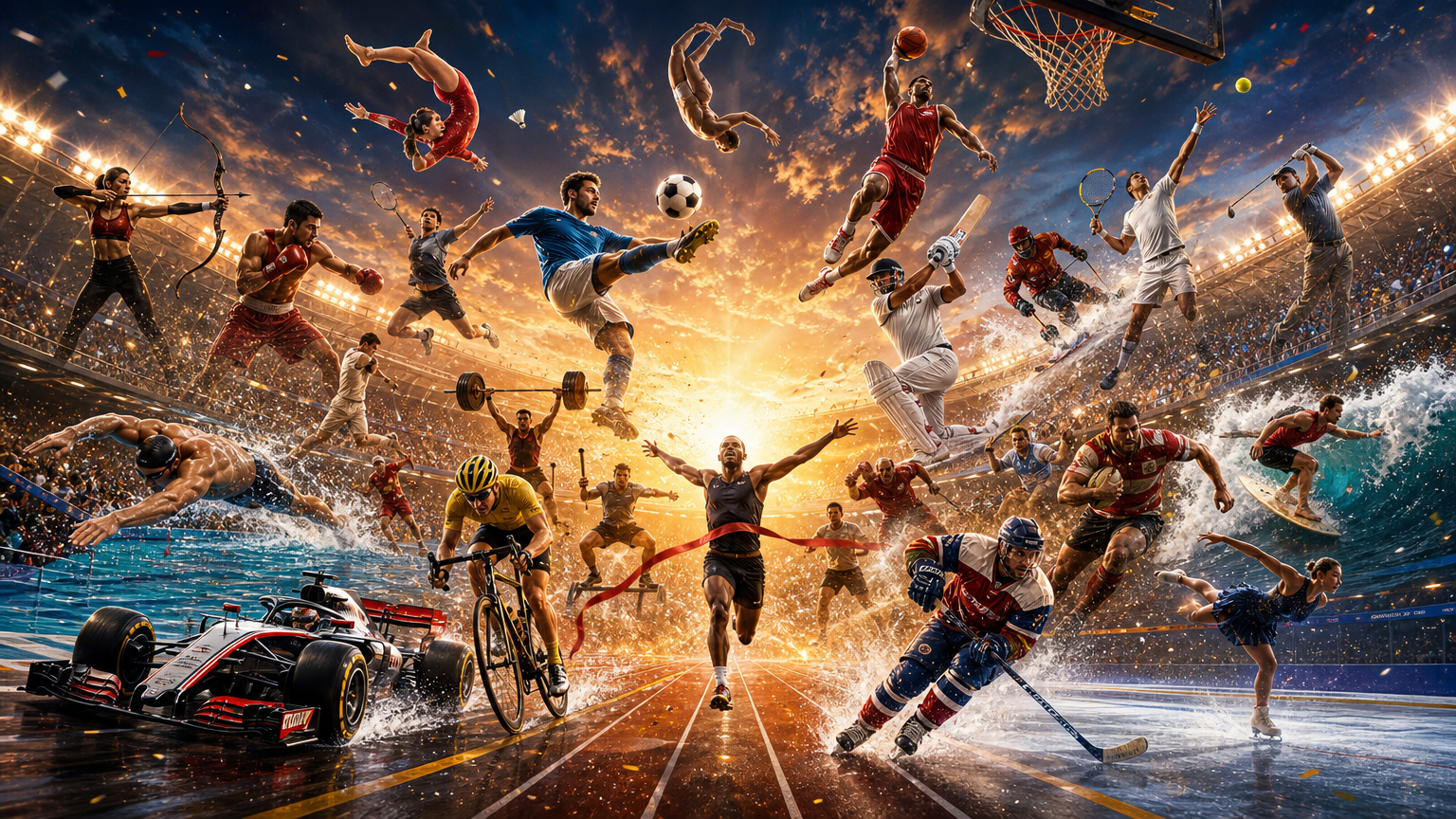
Somewhere in the world right now, a ball is in the air, and a crowd is holding its breath.
That’s not poetry — it’s a fact. Because sports never sleep. While you read this, someone is serving at Wimbledon, someone is smashing a shuttlecock in Jakarta, and someone is curling a granite stone across ice in a Scottish village. Twenty-four hours a day, seven days a week, there is a live sports event happening within reach of your phone.
Think about the first sport you ever loved. Maybe a parent dragged you to a football match. Maybe you fell for basketball in a school gym. Maybe you’ve never played a sport seriously in your life — but you still felt your chest tighten when your national team scored in the last minute.
That feeling is the whole point of this guide. We’re going to take the biggest, messiest, most wonderful topic on the internet — sport itself — and break it down into something you can actually use. You’ll get the complete list of sports A–Z, learn how to watch any of them live, find out what’s dominating sports news in 2026, and discover how to go from couch to court this weekend.
By the end, you’ll know more about the world of sport than 99% of the people you watch it with. And you’ll know exactly why that matters.
Let’s start with a question most people get wrong.
Why Sport Is the Only Language Every Country Speaks
Here’s a number to sit with: football (soccer) has roughly 3.5 billion fans worldwide. That’s nearly half of everyone on the planet. Cricket sits at 2.5 billion, field hockey at 2 billion, and tennis rounds out the top four with a billion (WorldAtlas, 2025).
No religion, no language, no streaming service reaches that many people. Sport does.
But those numbers hide something more interesting than popularity. Think about what sport actually does:
- It gives strangers something to agree on — two people who share nothing else can share a team.
- It gives cities identity. Manchester has United and City; Boston has the Red Sox; Liverpool has its reds. Say the name of any great sporting city and the sport comes with it.
- It gives people a safe place for emotion. Where else is it socially acceptable to scream, cry, and hug a stranger in the same hour?
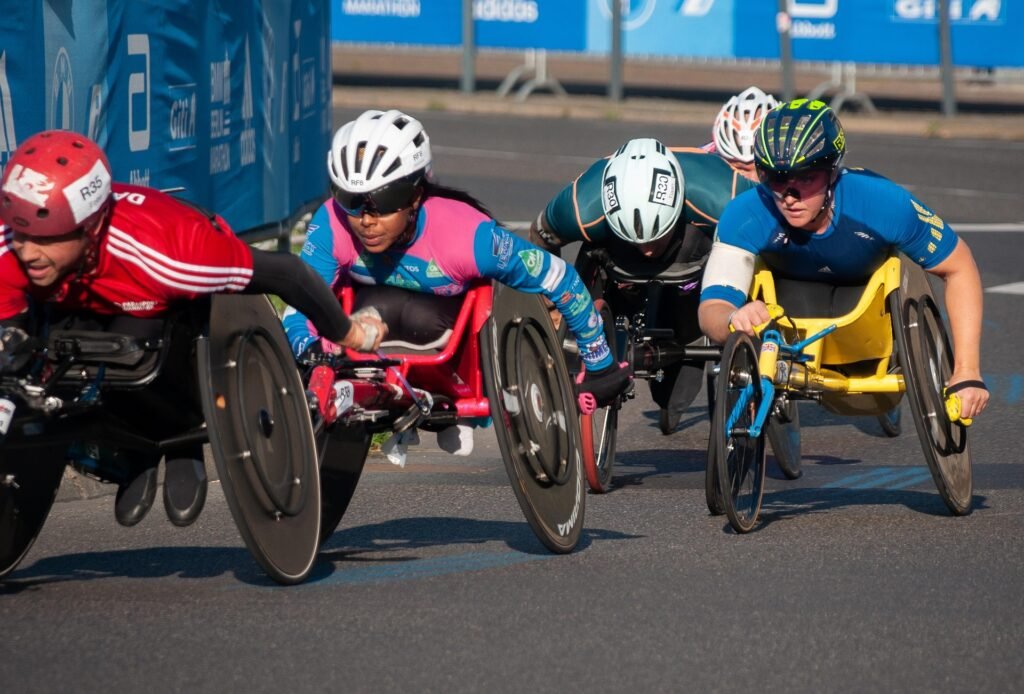
The World Health Organization recommends at least 150 minutes of moderate activity a week — and the easiest way to hit that isn’t a treadmill; it’s a sport you actually enjoy. Meanwhile, disability sport has exploded from a side note into a global phenomenon, with Paralympic broadcast numbers climbing every cycle. Women’s sport is rewriting the same story, drawing record crowds and proving that “smaller audience” was never about interest — it was about visibility.
Sport is the only language every country speaks, and the dialects keep multiplying.
Which brings us to the question everyone types into Google but rarely gets a straight answer to: just how many sports are there, anyway?

How Many Sports Are There in the World? (Nobody Agrees — Here’s Why)
The honest answer: there is no single official number. And that’s not a cop-out — it’s the truth, and here’s why.
The International Olympic Committee recognizes around 50 summer and winter Olympic sports. The Global Association of International Sports Federations counts more than a hundred member federations. And if you open Wikipedia’s list of sports, you’ll find hundreds of entries — with thousands of variations if you count regional games, traditional contests, and niche events.
The count keeps changing because sport keeps inventing itself:
- Skateboarding, sport climbing, and surfing weren’t Olympic sports before 2021. Now they’re headline acts.
- Regional games like shinty (Scotland’s brutal, beautiful stick-and-ball sport) and Gaelic games (hurling and Gaelic football) are thriving without ever needing a global stage.
- Meanwhile, esports has crashed the party — whether you call it sport or not, millions treat it that way.
If you want one clean framework, here’s the classic 4 types of sports people search for:
- Ball games — football, basketball, cricket, tennis, and everything played with something round.
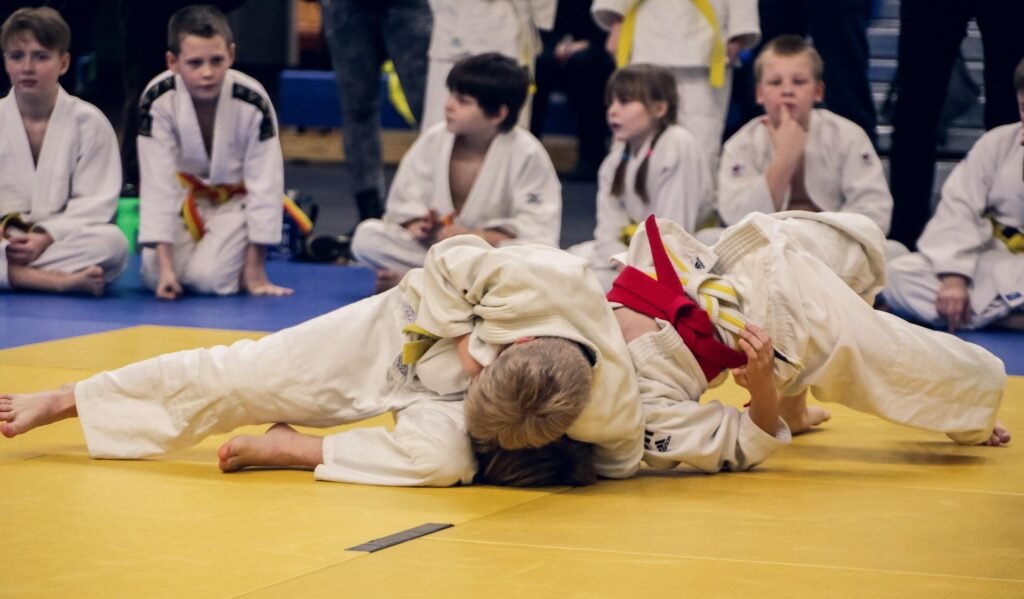
- Combat sports — boxing, wrestling, judo, karate, taekwondo, mixed martial arts.
- Racing and endurance — athletics, swimming, cycling, motorsport, triathlon.
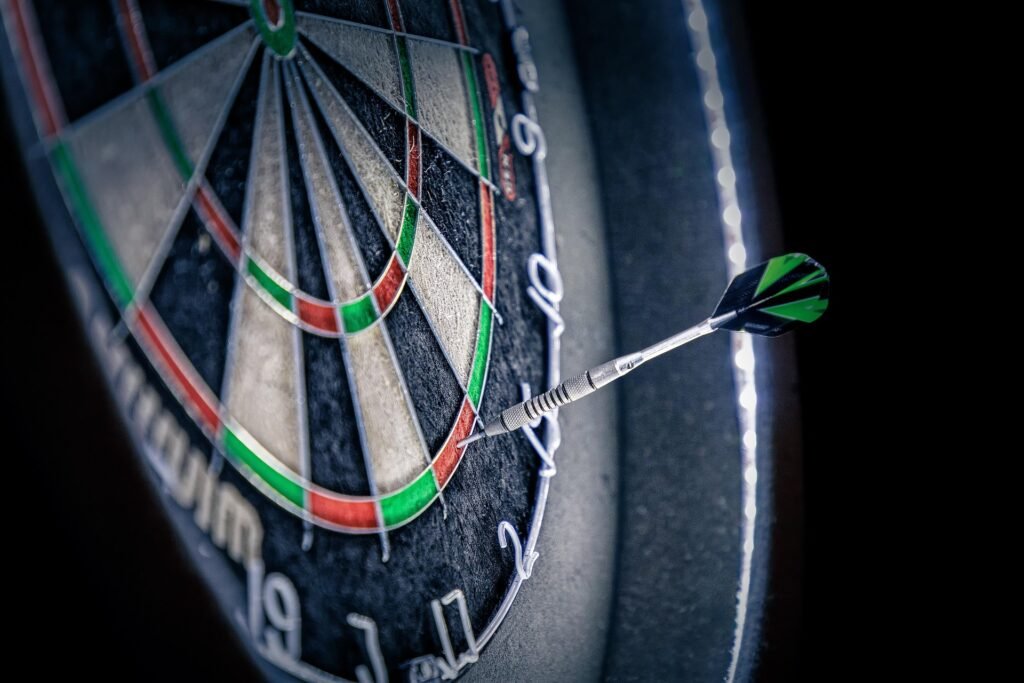
- Precision and aim — archery, shooting, darts, snooker, bowls, golf.
That’s the skeleton. Now let’s put meat on it — the full tour you actually came for.
The Complete List of Sports A–Z (with the Details Every Other List Misses)
Most sports lists are just names on a page. Boring. Instead, here’s every major sport worth knowing, grouped by family, each with one insight most blogs skip. Read it top to bottom, or jump straight to your sport — either way, you’ll learn something.
Ball and Team Sports
- American Football — 11 players per side, brutal collisions, and a game clock that makes the final two minutes last forever. The Super Bowl isn’t just a game; it’s an unofficial American holiday.
- Baseball — the only major sport with no game clock. A game can theoretically never end — which is exactly why fans say it’s the most psychological sport of all. Defense holds the ball, which flips every strategy on its head.
- Basketball — invented in 1891 by a PE teacher who nailed peach baskets to a wall. Now it’s a 2-billion-fan global industry where a 39-year-old legend changing teams can crash the internet (more on that later).
- Cricket — 2.5 billion fans, and a Test match can run five days and still end in a draw. No other sport has that relationship with time. The history of cricket spans centuries, from English villages to sold-out stadiums in India where players are treated like gods.
- Football — the world’s game. 3.5 billion fans. One ball, two goals, and a language that needs no translation. Whether you call it soccer or football, it’s the closest thing humanity has to a shared religion.
- Handball — fast, physical, and wildly underrated in the English-speaking world. A top handball match is basically basketball played at sprint speed with hockey-level contact.
- Hockey — field hockey, the 2-billion-fan giant, dominates across Asia and Europe. If you’re checking sports hockey scores or hunting sports hockey news during playoff season, you’re watching one of the fastest-moving team games on grass.
- Netball — the rare professional sport where women lead the way. Commonwealth nations treat it with the reverence other countries reserve for football.
- Rugby League vs Rugby Union — the difference most people can’t name: league has 13 players per side, union has 15. League is faster and more open; union has lineouts, scrums, and more complex tactics. Both share the same DNA — and the same reputation for being a game of controlled violence played by gentlemen.
- Softball — baseball’s quicker, friendlier sibling: seven innings instead of nine, a bigger ball, and a pitch thrown underarm from closer range.
- Volleyball — beach or indoor, the game is all rhythm: serve, pass, set, spike. One of the most played sports on Earth precisely because you only need a net and friends.
- Water Polo — the most demanding team sport you’ve never tried. Players tread water for the entire match. Pool treads, not breaks.
- Gaelic Games — hurling is officially the fastest field sport in the world, with a sliotar (the ball) clocked at over 130 km/h. Gaelic football blends soccer and rugby into something uniquely Irish.

Racket, Cue, and Precision Sports
- Badminton — the fastest racket sport on the planet. Pro smashes exceed 400 km/h — faster than a Formula 1 car at full throttle. It looks gentle. It is not.
- Tennis — the Grand Slams are the closest thing tennis has to a world cup. And as this year’s US Open proved (again), no champion is safe (we’ll get to Djokovic in a minute).
- Table Tennis — over 300 million players worldwide and a sport where China has been so dominant that the rest of the world spent decades simply trying to catch up. The spin physics alone could fill a physics textbook.
- Squash — health researchers keep ranking it among the best all-around exercises in the world — and it finally joins the Olympics in Los Angeles 2028.
- Bowls — lawn bowls looks like a retirement hobby and plays like chess on grass. At the Commonwealth Games, it’s one of the fiercest competitions you’ll ever watch.
- Darts — the only professional sport where players compete at pub regulation distance (2.37 meters). It’s gone from barroom pastime to arena sellout, with crowds singing between 180s.
- Snooker — 21 balls, one table, infinite psychology. It’s called chess with balls for a reason: matches are won by the player who can think five shots ahead. The tour’s official sports snooker coverage — including the podcast hosted by legend Stephen Hendry and comedian Mark Watson — has turned cue sports into a genuine fan culture with live snooker schedules, snooker results, and snooker matches today tracked like football fixtures.
- Golf — golf’s ongoing civil war between the old guard and the new world order (think breakaway tours and controversial driver ads) is the sport’s defining storyline of the decade. And the Curse of the Bambino — which we’ll revisit — shows how much golf’s rival, baseball, owes to patience too.
- Archery — meditation with a bow. Olympic archers control their heart rate so precisely that some shoot between heartbeats.
- Shooting — from 10-meter air pistol to shotgun skeet, it’s one of the most precise sports in the Olympic program: a single breath can mean the difference between gold and 20th place.
Combat and Martial Arts
- Boxing — “the sweet science.” Twelve rounds, two fighters, and a history that stretches back thousands of years. No sport tells a better underdog story.
- Mixed Martial Arts — the fastest-growing combat sport in the world. MMA took the best of boxing, wrestling, judo, and karate, threw out the rules that slowed things down, and built a global juggernaut.
- Judo — “the gentle way,” which is the most misleading name in sport. Olympic judo since Tokyo 1964, and a sport where a single throw can end a match in seconds.
- Karate — made its Olympic debut in Tokyo 2020 and instantly won a new generation of fans.
- Taekwondo — the Korean kicking art, famous for head kicks that look like special effects. At the taekwondo world championships, even a journalist covering the event has competed — and medaled. That’s how welcoming this sport can be.
- Wrestling — the oldest sport in the world. Cave paintings from around 15,000 years ago show wrestlers. It was in the ancient Olympics of 708 BC, and it’s never left the modern ones.
- Fencing — three weapons (foil, épée, sabre), lightning reflexes, and a scoring system that rewards the person who thinks half a second faster.
Water, Outdoor, and Adventure Sports
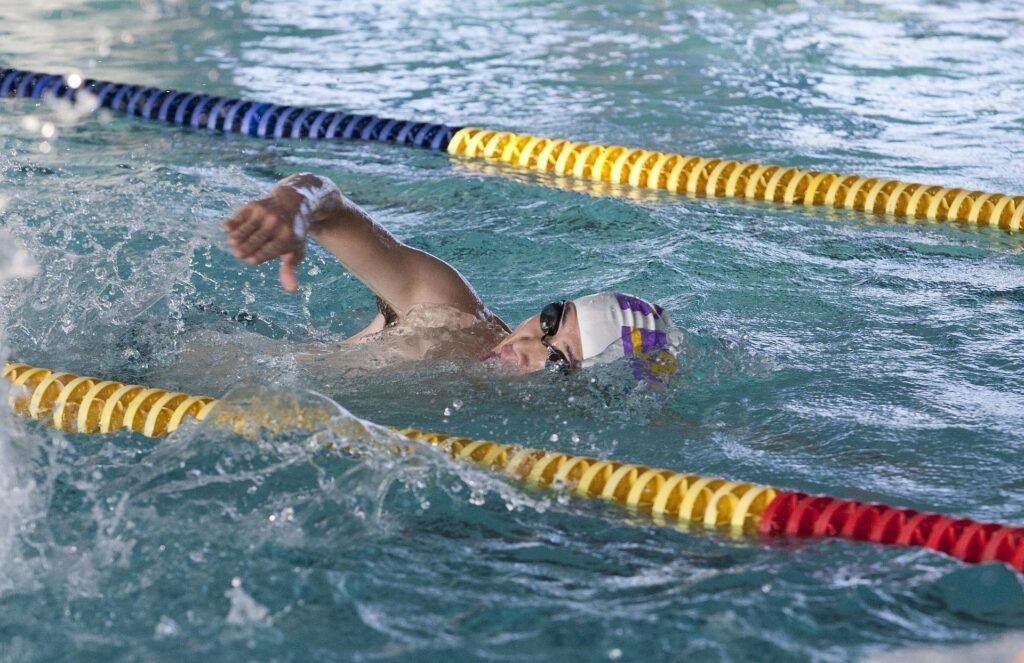
- Swimming — the most universal skill in sport and the backbone of the Olympics. Everyone’s first sport, in some form.
- Artistic Swimming — you knew it as synchronized swimming. It’s a sport where athletes hold their breath, upside down, for minutes — and men have been officially allowed to compete at the Olympics since Paris 2024.
- Diving — from the 10-meter platform, divers get about 1.5 seconds of free fall to execute what looks like controlled chaos. It’s gymnastics in the air, landing in water.
- Canoeing — sprint and slalom. Slalom is the one where athletes read white water like a book, flipping through gates in a roaring current.
- Rowing — a 2,000-meter race that’s often called the ultimate test of synchronized effort: eight people, one boat, one heartbeat.
- Sailing — the America’s Cup is the oldest trophy in international sport, and modern foiling boats travel faster than the wind itself.
- Surfing — Olympic debut in Tokyo 2020. The ocean is the only playing field that fights back.
- Skateboarding — Olympic debut in Tokyo 2020, and home to some of the youngest medalists in Games history. Street and park, both spectacular.
- Sport Climbing — Olympic debut in Tokyo 2020. Speed climbers now scale a 15-meter wall in under five seconds — that’s about three steps per second, vertically.
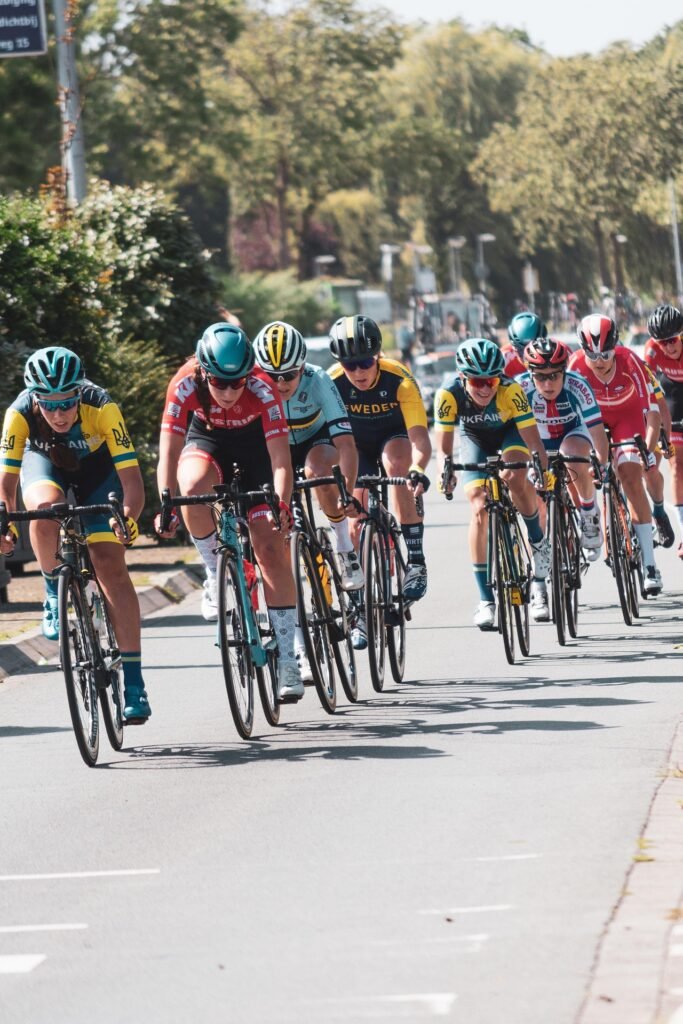
- Cycling — the Tour de France is a 21-day, 3,500-kilometer rolling war, and track cycling at the velodrome is the fastest sport on two wheels without an engine.
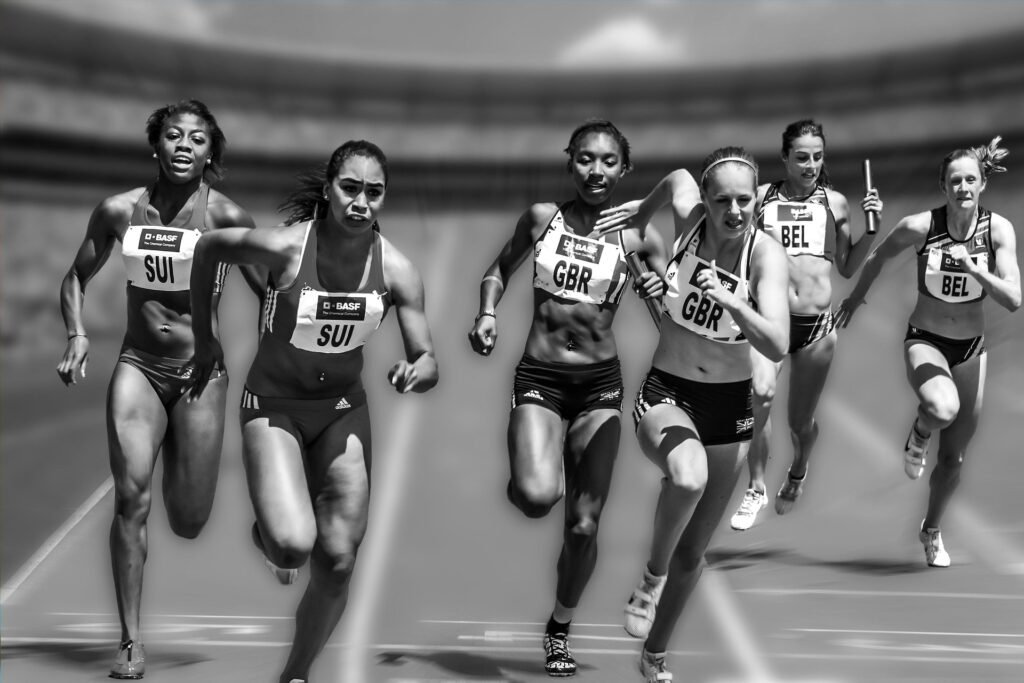
- Athletics — track and field: the original Olympic sport, where the sports track decides everything from the 100-meter sprint (won by hundredths of a second) to the marathon (won by years of sacrifice).
- Modern Pentathlon — five sports in one day: fencing, swimming, equestrian, pistol shooting, and running. It was invented to test the “complete athlete” — and it’s now replacing the horse segment with an obstacle course for 2028.
- Triathlon — swim, bike, run, no breaks. The race everyone says they’ll do, and the one that changes everyone who does.
- Gymnastics — artistic and rhythmic. The events where the human body looks most like it’s defying physics.
- Weightlifting — snatch and clean & jerk: two lifts, one goal, maximum force. Often called the purest test of strength-to-technique ratio on Earth.
- Equestrian — the only Olympic sport with animals, where a horse and rider must think as one. And just outside the Olympics, horse racing — the sport of kings — remains one of the most watched and most controversial spectacles in the world.
Winter Sports
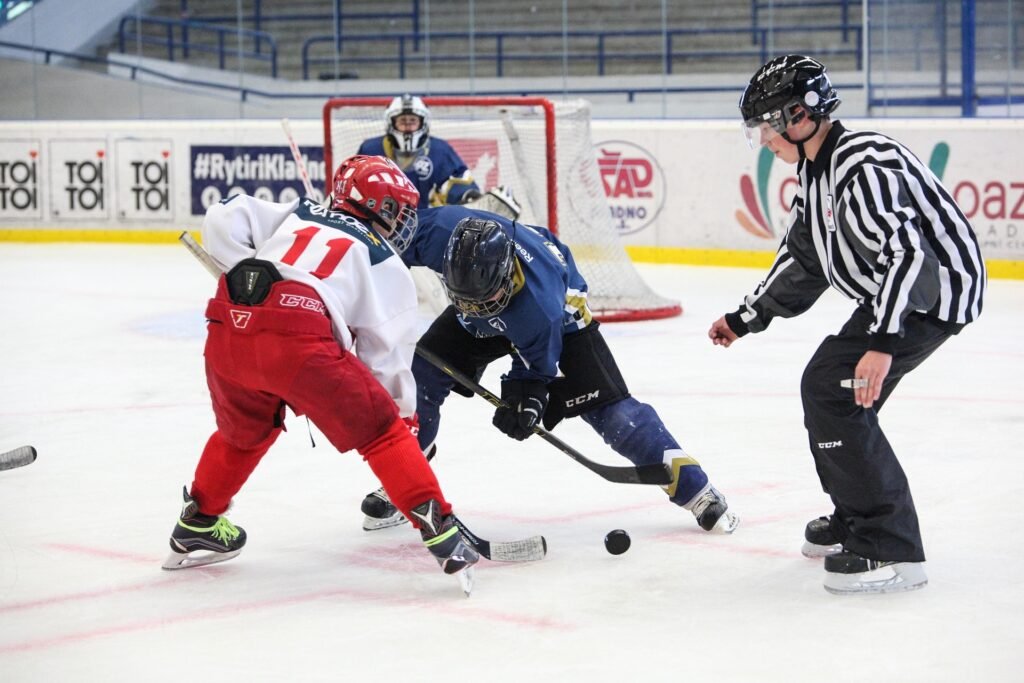
- Ice Hockey — the fastest team sport in the world, with pucks moving at over 170 km/h and players changing lines mid-shift. NHL playoff hockey is a religion in Canada and the northern US.
- Curling — yes, it’s a sport, and yes, it’s harder than it looks. Fun fact: most curling stones in the world are made of granite from one tiny Scottish island — Ailsa Craig. That’s literally “one small island at the center of Olympic curling.”
- Winter Sports — the umbrella term for everything snow and ice: alpine skiing, snowboarding, biathlon, figure skating, and more. The 2026 Winter Olympics in Milan-Cortina closed to rave reviews — and the ski jumpers’ last-flight ceremony reminded us why winter sport fans are the most loyal in the world.
Motorsport
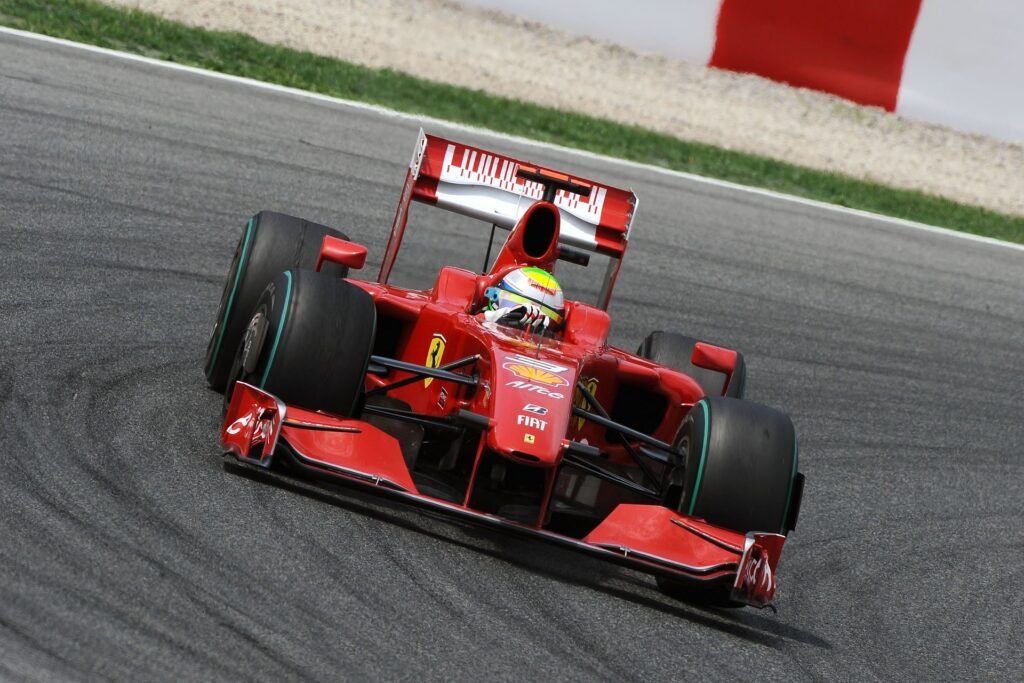
- Formula 1 — the pinnacle of motorsport: 20 drivers, 24 races, and machines that generate enough downforce to drive upside down. Drivers lose several kilos of fluid per race and sustain G-forces that would knock out a fighter pilot.
- Sports Car Racing — the other side of the coin: endurance racing where the Le Mans 24 Hours demands teams run through the night at 300+ km/h. The sports car racing schedule is a year-round calendar of GT and prototype battles.
- Grand Prix Racing — the umbrella term covering F1, MotoGP, and every single-seat series where the goal is the same: be the first to the line, every time.

Multi-Sport Events
- Olympic Sports — more than 30 sports, every four years, the only stage where a weightlifter from Colombia and a skateboarder from Japan share the same banner.
- Commonwealth Games — every four years, 70+ nations, and the only place in the world where netball, bowls, and squash share the spotlight with athletics and swimming. It’s the friendliest major multi-sport event on the calendar.
- Disability Sport — the Paralympics have become a broadcast phenomenon, with Paris 2024 setting record audiences. The fastest 100-meter times in the world aren’t always run by the athletes you think.
- Gaelic Games — run by the GAA, hurling and Gaelic football are amateur in name but professional in devotion, packing 80,000-seat stadiums in Dublin.
That’s the tour. Every sport on Earth has a story, a language, and a community behind it.
Now for the question everyone actually asks: where do I watch all of this?
How to Watch Sports Live: Scores, Streaming, and the End of the Cable Era
Here’s a sentence you’d never have heard ten years ago: more than 80 million US households have cut the cord. Streaming accounted for 47.5% of all TV viewing in December 2025, while traditional cable fell to about a fifth of the market. And roughly 90 million Americans now stream a sports event at least once a month.
The age of “turn on channel 5 at 3 PM” is over. The age of “pick your platform, your sport, and your language” is here.
How to make sense of it:
- Google is your scoreboard. Search “sports score” or “sports live” and Google shows you live scores, schedules, and standings before you finish typing. The fastest way to check a sports Google result for any match — from snooker results to cricket live scores — is just to type the sport and “today.”
- Network apps cover the big moments. Sky Sports and BBC lead in the UK, Fox Sports and ESPN in the US, Star Sports across India — most have free tiers with live coverage or highlights, and dedicated sports news desks like Sky Sports News running 24/7.
- Streaming services split the calendar. Some carry football, some carry cricket, some are built for MMA and boxing. Before you subscribe to anything, search “[your sport] live stream” and check which rights holder actually owns the season.
- “All sports live” is a promise, not a package. No single service carries everything. That’s why fans keep two or three apps and learn the art of the highlights package.
- A warning about “free” streams. You’ll hear names like Epic Sports or Sir TV floated around — unofficial streams that can carry malware, buffer at the worst moment, and disappear mid-match. The safest free options are the official network apps, free-to-air broadcasters, and YouTube highlights.
Here’s the deeper truth about watching sports, though: nobody watches because of the rules. They watch because of the stories.
And 2026 has been a banner year for them.
The Stories That Kept the Sports World Talking in 2026
If you only follow one sport, you’ve probably missed how wild this year has been everywhere else. Let’s catch you up:
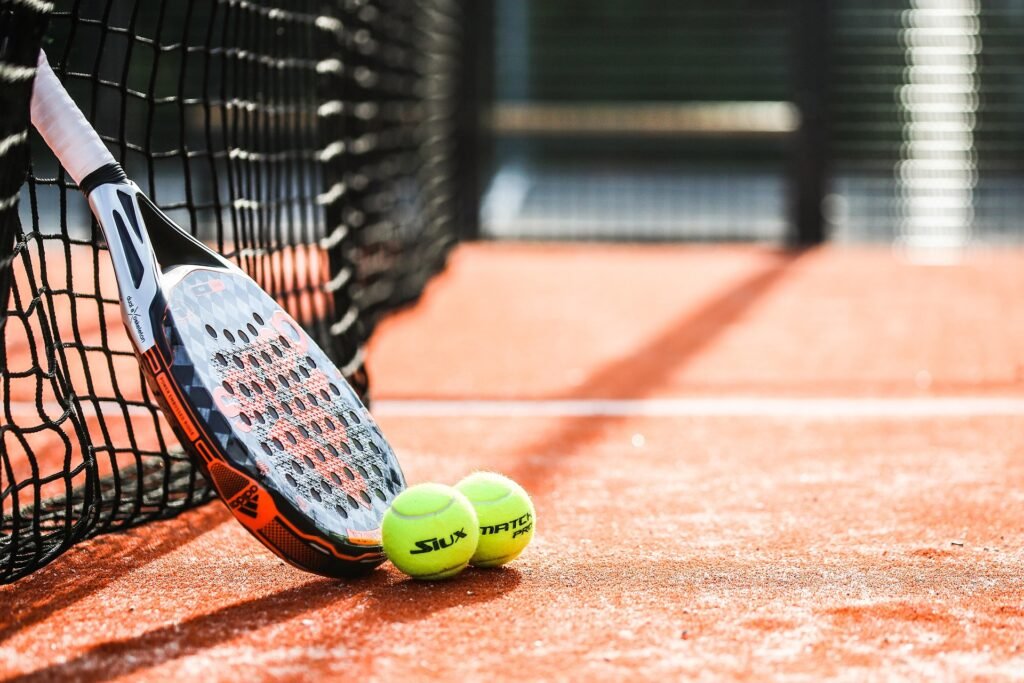
Tennis got its shock of the decade. Novak Djokovic — 39 years old, one of the greatest players ever — lost in the opening round of the US Open for the first time in his career, falling in five sets to Argentina’s Mariano Navone in the longest first-round match of Djokovic’s Grand Slam career. The tennis world spent the next 48 hours debating the same question: is this the end of an era, or just a bad night?
Basketball redrew its map. LeBron James — after years of Lakers gold — announced he’d leave the franchise and hit the free agent market, eventually signing a two-year deal with the Philadelphia 76ers. The all-time leading scorer changing teams at 40 isn’t just a trade; it’s a cultural event that even non-fans talk about. (And yes, he and Donald Trump are still feuding — with Trump calling LeBron “a racist,” in a saga that keeps leaking into the news cycle.)

Baseball remembered its greatest ghost story. The Boston Red Sox “Curse of the Bambino” — 86 years of championship drought after selling Babe Ruth — was finally broken in 2004, and it remains the perfect example of why sport fans believe in magic. When the Sox came back from 0–3 down in the ALCS and swept the World Series, an entire city let go of a century of pain. That’s what sport can do that nothing else can.
Golf is fighting itself. A controversial ad for a driver became the latest clash between golf’s old guard and its new world, as the sport keeps wrestling with breakaway tours and generational divides.
Football’s royalty is thinking about the end. Cristiano Ronaldo hinted at retirement, saying “probably my last year of football” — a sentence that made every club and country he’s ever played for hold its breath.
Transfer news moved fast, too. Brazilian winger Allan joined Manchester City from Palmeiras in a move his own camp called “surreal” — proof that the January window can drop bombs at any hour. And off the pitch, the Saquon Barkley story shook the NFL: police launched a search for suspects after a break-in at the home of the Philadelphia Eagles star running back while his family was there. Even the world’s best players aren’t safe from the real world.
Off the field, the power games continued. UEFA reportedly dropped its boycott threat, handing FIFA some breathing room, while MLB began its most aggressive sales pitch to fans in years — because a winter labor battle is coming, and baseball knows it needs the crowd on its side before the fight starts.
College football and horse racing share a warning. Both are being tested by money: greed, critics say, is wrecking a good thing — from NIL-driven roster chaos to racing’s doping and welfare scandals. When the most beloved sports in America start resembling the worst of finance, fans notice.
Women’s soccer keeps proving its power. For the queer community especially, women’s football has become a rare space of belonging — a story that’s as much about society as about sport.
The Winter Games closed with a flourish. The 2026 Winter Olympics in Milan-Cortina ended with a closing ceremony that celebrated everything from curling’s unlikely heroes to the athletes who made figure skating weep. And somewhere in between, a journalist actually competed — and medaled — at the taekwondo world championships, proving the gap between covering sport and playing it is smaller than you think.
Stories like these are why sports news never sleeps. But here’s the loop: stories pull you in as a fan. Only playing pulls you in as a participant.
From Couch to Court: How to Find Sport Near You
The single best thing about sport in 2026 is that you don’t need talent, money, or youth to join. You need a direction. Here’s how to find yours:
Want the atmosphere without the commitment? Search “sports bar near me” and you’ll find the closest thing to a stadium without leaving the city — giant screens, rival fans, and the best wings on the block. Pick a game you know nothing about, show up, and ask the regulars. You’ll learn more in one night than a month of YouTube.
Need gear? Search “sports shop near me” and you’ll find big chains like Sports Direct and JD Sports in the UK, Academy Sports and Hibbett Sports in the US, plus second-hand stores like Play It Again Sports that can outfit you for a fraction of the price. Here’s the beginner’s rule: rent or borrow before you buy. A used racket beats a fancy new one you never use.
Two gear mistakes everyone makes:
- Sports shoes: buy for fit and purpose, not looks. A running shoe is not a court shoe, and a court shoe is not a trail shoe. Your knees will thank you.
- Sports bras: research consistently shows that most women wear the wrong size. Get fitted properly once, and every workout from running to netball changes instantly.
Want to actually play? Search “sports academy near me” — most cities now have adult beginner academies, from tennis and badminton to martial arts and triathlon. Or use a “sports connections” app: these match you with local casual leagues, no experience required. Every major city has a “just for fun” football, basketball, or volleyball league that takes anyone.
But here’s the thing: the best sport in the world is probably the one you haven’t tried yet.
How to Fall in Love With a New Sport: The 4-Session Rule
Most people quit a new sport after one bad session. That’s a mistake — because the first session of almost every sport is terrible. You can’t hit the shuttlecock, you can’t time the throw, you’re exhausted in ten minutes. If you judged everything by day one, nobody would ever learn anything.
So use the 4-Session Rule: judge a sport after four sessions, never one. The first is confusion, the second is improvement, the third is fun, and the fourth is where it clicks. Almost every lifelong athlete fell in love between sessions three and four.
Here’s how to pick where to start, based on your situation:
| Your situation | Best sports to try | Why |
|---|---|---|
| Tight budget, no gear | Football, running, darts, snooker, table tennis | Hire cues, borrow balls, play anywhere |
| Want fast fun | Badminton, pickleball, table tennis | Rally in 10 minutes, real games in one session |
| Want deep strategy | Golf, snooker, curling, bowls, chess-on-feet sports | Slow burn, lifetime of learning |
| Want community fast | Team sports: football, basketball, volleyball, netball | The league is the social circle |
| Want a challenge | Triathlon, boxing, swimming, sport climbing | Progress is measurable every week |
| Money is no object | Equestrian, motorsport, sailing | Pricey — but unlike anything else on Earth |
And when you pick one, watch the pros after you play, not before. Playing first teaches you what’s hard; watching second teaches you how it’s done. The reverse order just makes you feel bad about yourself.
Now, the questions everyone asks. Let’s answer them properly.
Sports FAQs
How many sports are there in the world? There is no official single number. The Olympics feature around 50 sports; international federations number over 100; and if you count regional games and variations, the total runs into the hundreds, some estimates reaching 800+. The list keeps growing as new sports like skateboarding and sport climbing earn Olympic status.
What are the four types of sports? The classic framework: (1) ball games, (2) combat sports, (3) racing and endurance sports, and (4) precision and aim sports. Real sports often blend categories — the modern pentathlon contains five different ones.
What is the most popular sport in the world? Football (soccer), with roughly 3.5 billion fans. Cricket (2.5 billion), field hockey (2 billion), and tennis (1 billion) follow.
What is the oldest sport in the world? Wrestling. Cave paintings dating back around 15,000 years show wrestling holds, and it was contested at the ancient Olympics in 708 BC.
What’s the difference between Rugby League and Rugby Union? The headline difference is player count: league has 13 per side, union has 15. League plays faster with fewer set pieces; union has lineouts, scrums, and more complex tactics. Different rules, same family.
How can I watch sports live online? Search the sport name plus “live” to find current coverage, use official network apps (Sky Sports, Fox Sports, Star Sports, ESPN, BBC), or check streaming platforms that hold your sport’s broadcast rights. Google also shows live scores instantly when you search “sports score” or a specific match.
Which sports are in the Olympics? The Summer Games feature more than 30 sports — from athletics, swimming, and gymnastics to newer additions like skateboarding, surfing, and sport climbing. Winter Games cover ice hockey, curling, skiing, snowboarding, figure skating, and more.
What is the hardest sport? It depends on your definition — but water polo, boxing, and gymnastics routinely top athlete surveys, while sports scientists often rank squash and triathlon among the most physically demanding. Every sport is hard at the top; that’s the point.
The Takeaway: Sport Is the One Story That Never Ends
Here’s everything we’ve covered: the complete list of sports A–Z, from American Football to Wrestling — the ball games, the combat sports, the precision arts, the winter wonders, the motorsport machines, and the multi-sport events that bring nations together. You know how to watch sports live, where to check sports scores, how to find sports news that matters, and how to find sport near you — from the barstool to the academy.
But the real takeaway is simpler. Sport is the only story that never ends. Every season rewrites itself. Every champion falls eventually — ask Djokovic. Every curse gets broken eventually — ask Boston. And every beginner gets good eventually — ask anyone who’s ever played their fourth session.
So here’s your call to action, and it’s a small one: this weekend, pick one sport from this list — any one — and engage with it for real. Watch a match you’d normally skip. Search “sports bar near me” and go. Or just grab a ball, find a wall, and remember what it felt like to play.
Because the best way to understand the world of sport isn’t to read about it. It’s to be part of it.
Bookmark this guide — you’ll want it the next time you need the list of sports A–Z, live scores, or a fresh sport to try. Share it with the sports fan in your life who thinks they’ve seen it all. And then tell us: what’s your sport?
The comments are open. The game is not.
