


You know the feeling. You see a headline promising “six new features you’ll love,” tap it, skim for thirty seconds, and close the tab feeling… nothing. That’s not your fault. Most writing about features is a spec sheet wearing a costume.
Features are supposed to make life easier, faster, or more fun. Somewhere between the press release and the blog post, they lose the plot. So this guide does something different. It walks through the features people are genuinely searching for in 2026 — from the Xbox August console update to the 2029 Corvette, from AI to the world map — and tells you which ones matter, which ones are hype, and why.
But before we get to the phones and fighter jets, there’s a question worth answering first: what does the word “features” even mean?
What Does “Feature” Really Mean?
Here’s the shortest useful definition: a feature is a characteristic or function built into a product, system, or place. It’s what something has. A benefit is what that something does for you. The camera has 48 megapixels — that’s a feature. You can crop a group photo and still see every face — that’s the benefit.
Most product marketing blurs the two on purpose. And honestly? Once you learn to separate them, you’ll never read a tech review the same way again. You’ll start asking the question that matters: “Okay, cool, it has that — but will I actually use it?”
The word shows up in stranger places too. Linguists talk about the features of language — displacement (talking about things that aren’t here), productivity (inventing sentences nobody has ever said), and arbitrariness (no real reason a chair is called “chair”). Political scientists list the features of democracy: free and fair elections, the rule of law, separation of powers, protected rights, a free press.
Notice something? None of those are things you can hold in your hand. Features are simply the ingredients of anything — software, societies, even sandwiches.
Once you see features as ingredients, every section of this guide clicks into place. Phones are feature recipes. So are cars, games, and even continents. Let’s start with the pocket-sized ones.
Phones: The 2026 Feature Arms Race
iPhone 17, iPhone 17 Pro, and the Pro Max Effect
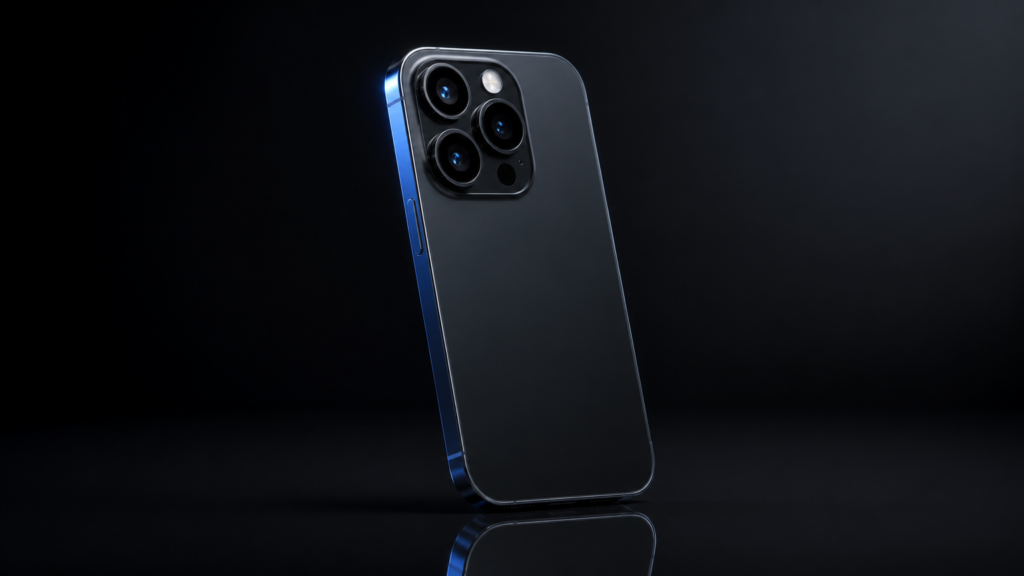
Ask anyone what they remember about the features of iPhone 17 and they’ll say the camera. All three rear cameras on the 17 Pro and 17 Pro Max are now 48MP Fusion sensors, and the Pro Max carries the longest zoom ever on an iPhone — 4x and 8x optical, stretching to 40x digital when you’re feeling brave.
Two features fly under the radar, though. The new Center Stage front camera keeps you framed during video calls, which sounds minor until you’ve done one meeting while cooking. And for video people, Genlock and ProRes RAW support turn the phone into a serious B-camera — the kind of feature you don’t notice until you suddenly need it.
The honest take: if you’re coming from an iPhone 16, the camera is the story. The iPhone 16 features that felt exciting last year — Dynamic Island refinements, the Action button, Camera Control — now feel like the furniture. That’s how fast this industry moves.
iOS 26 and the iOS 27 Preview
iOS 26 features are all about Apple Intelligence being everywhere at once. Custom Genmoji built from a text description, Live Translation that works mid-conversation, Visual Intelligence that reads the world through your lens, and a Siri that finally stops pretending it understood you. Even CarPlay got in on it — iOS 26.4 added ChatGPT support in the car, plus an Ambient Music mode for passengers who’d rather not listen to your phone calls.
Then there’s the beta everyone’s watching: iOS 27. The new Photos features are the ones long-time iPhone users have begged for, and the new iMessage features in iOS 27 are genuinely clever — Apple Intelligence now offers one-tap contextual suggestions, like instantly sharing a photo when someone asks for one, and messages, reactions, and attachments sync noticeably faster.
Here’s the insight most coverage misses: the most interesting iOS feature isn’t in any keynote. It’s that your phone now does things that used to take two or three apps — in one gesture. Features like that don’t make headlines. They make habits.
Android’s Answer
Samsung’s One UI 8.5 features read like a “finally” list. Call screening that actually screens, an upgraded Photo Assist, a better Audio Eraser for noisy videos, and — the crowd-pleaser — Quick Share now works with Apple devices via AirDrop. The Private Album feature hides photos behind your fingerprint, which is the kind of thing you think you don’t need until you lend your phone to a relative.
And if you own a Galaxy S26, the hidden camera features are worth digging for. Horizontal Lock keeps your video level when you’re not. There’s a hidden 24MP mode that hits a sweet spot between the default and full resolution. AI-powered document scanning cleans up paperwork shots. And Virtual Aperture gives you portrait-style depth control without the blurry-edge artifacts. Power users should install Samsung’s Camera Assistant app — it unlocks manual minimum shutter speed and ISO controls that were buried for years.
Over on the value side, the vivo V40 5G price starts around ₹32,999 in India for the 8GB/128GB model — and you’re getting a 6.78-inch AMOLED, a Snapdragon 7 Gen 3, dual 50MP cameras, and a 5,500mAh battery that lasts. The vivo V29 Pro 5G searches that still pop up are really people asking one question: “Is the older one still worth it?” Short answer: the V40 is, for the extra cash.
Phones are where features move fastest. But for pure spectacle — and pure price tags — nothing beats what’s happening in the car world.
Cars That Are Basically Gadgets on Wheels
The 2029 Corvette C9
Here’s what we know about 2029 Chevrolet Corvette features: General Motors is doubling down on hybrid power. Following the E-Ray and the monster ZR1X, the C9 is expected to push even further — potentially a dual-motor hybrid setup that makes today’s Corvettes look polite. The recently revealed CX concept hints at an all-electric future, while the California concept’s front-hinged canopy shows GM is still having fun with wild ideas.
Don’t want to wait three years? The 2027 Grand Sport already packs the highest torque of any naturally aspirated production V8 — 535 horsepower and 520 lb-ft from the new 6.7L LS6. Features, in Corvette-speak, are measured in numbers you can feel.

Trucks and SUVs: Features With a Job to Do
The Ford Maverick XL remains the most argued-about value in trucks. The XL trim review story is simple: a 2.5L hybrid that returns real-world fuel economy (our testing shows about 8.4 seconds to 60 — nobody’s buying it for drag races), 4,000 pounds of towing with the package, and a bed with tie-downs and rails that work. It’s the truck people buy when they wanted a truck, not a status symbol. The “features review” everyone writes is really about one thing: how little you can spend and still get a genuine truck.
The 2027 Lexus GX features list reads like a luxury checklist: a 14-inch infotainment screen with wireless Apple CarPlay and Android Auto, a 12.3-inch digital gauge cluster, heated and ventilated power front seats with NuLuxe leatherette, body-on-frame construction, full-time 4WD, and towing capacity of 9,096 pounds. It’s the rare SUV that’s genuinely off-road capable and genuinely plush — most rivals pick one.
GM is cooking up something for tailgaters: a patent filed this July describes a next-gen pickup tailgate that converts into actual seating — a lowered tailgate with divided sections made for sitting, not just leaning. Numb legs and awkward crouches may finally be on the way out.
The 2027 Chevy Colorado technology features get a real upgrade: 5G connectivity for faster in-truck Wi-Fi, Google Built-in, an 11.3-inch touchscreen on higher trims, and a revised TurboMax engine. Meanwhile the 2027 Hyundai Kona keeps it simple — 147 to 190 horsepower, up to 31 mpg combined, five seats, LED everything, and a small footprint that loves narrow roads. And the 2025 Cadillac Escalade camera features are a masterclass in showing off: a 55-inch pillar-to-pillar display and camera-based driver assistance that make a school bus of an SUV feel small.
Then there’s the Sukhoi Su-57 Felon. Its features — stealth shaping, thrust-vectoring supermaneuverability, an AESA radar, internal weapons bays — cost more than most countries’ defense budgets. It’s a reminder that “features” have very different price tags depending on whether you’re commuting or intercepting. Speaking of which, let’s talk about where features are most fun: games.
Gaming’s Biggest Feature Drops of 2026
The Xbox August 2026 Update
The Xbox August 2026 console update landed August 12 with six new features, and a few are genuinely nostalgic. Xbox 360 games now get full game hubs, so you can check achievements, captures, and details for your ancient favorites without leaving the card. Achievement upgrades cover both Xbox 360 and Windows Phone titles — yes, people still chase those. Queue updates let you reorder downloads and play via the cloud instead of waiting. And the wishlist cap jumped to 1,000 games, which is either generous or a challenge.
If you searched “xbox august console update features,” this is the one. Download it, poke around, and thank Microsoft for finally treating the 360 library like history worth preserving.

PS5 Firmware Beta: Small Toggles, Big Changes
The Sony PS5 firmware beta from August is quieter but sneaky-important. The headline: “Enhance PSSR Image Quality” is now enabled by default for PS5 Pro owners — Sony’s upscaling tech is so mature they trust it out of the box. The beta also added Unicode 17 emojis (the little things) and removed HDMI link support. Join the beta program for early access, but know what you’re signing up for: buggy builds are part of the deal.
Fortnite’s Sprite Garden
The Fortnite Sprite Garden is the coziest feature drop of the year. In Chapter 7 Season 4 (Override), all the Sprites you collected in Season 3’s Runners live on in a dedicated social space — an island getaway where you can display them, play with them, and show them off. Your collection also converts into unlockable styles for the Sprite Mastery Pod Back Bling and pilots for the Guardian Outfit. It’s a feature built entirely on sentiment: your digital friends didn’t get deleted, they got a home.
Zelda: Ocarina of Time — The Remake of a Lifetime
The Zelda Ocarina of Time remake was announced in the June 9 Nintendo Direct, and Nintendo confirmed it for 2026 on Switch 2. It’s a Link’s Awakening-style rebuild — the same game you remember, entirely new visuals, Hyrule reimagined in a toy-diorama style that somehow makes the Temple of Time even more haunting. The community’s feature wishlist is short and loud: save anywhere, modern quality-of-life controls, and don’t touch the music. If Nintendo delivers those three, it’s the remake of the decade.
And the Rest of the Map
New features in World of Warcraft: Midnight take the Worldsoul Saga back to Quel’Thalas, and players are already arguing about the feature list. Minecraft‘s experimental features let you test upcoming mechanics in new worlds — just remember that some experimental toggles can’t be switched off afterward, so read before you click. And if you’re trying to unlock all features in WorldBox, the god-game answer is: keep playing, upgrade your god powers, and embrace the chaos. The game’s whole point is that every feature is a button labeled “consequences.”
Console updates and game features are loud. But some of the best feature drops of 2026 were quiet — they happened in the apps you already use.
The Software Features Nobody Announced on Stage
PowerToys 0.101
The PowerToys 0.101 update is the biggest one in months. The star is Window Hopper, which lets you jump between all windows of the same app — Alt-Tab’s more organized cousin. Advanced Paste gets local AI transformations running entirely on-device via Phi Silica (no cloud, no waiting, no privacy questions). The Command Palette gains a compact mode, and the update experience is redesigned with Stable and Insider channels. Six tools changed. Power users, clear your afternoon.
RCS 4.1: Privacy, Finally
The GSMA RCS 4.1 privacy features matter more than they sound. Universal Profile 4.1, published in July, adds granular controls for profile sharing — you decide exactly what people see about you in 1-to-1 and group chats. Messages also send faster and battery life improves. It’s not dramatic, but it’s the plumbing that makes texting feel modern. The fine print: carriers get more direct control too, so read your settings and check what’s being shared.
Google Maps vs Waze: Stop Choosing, Just Keep Both
The Google Maps versus Waze features debate is the oldest argument in navigation, so let’s settle it. Google Maps wins for planning: every transport mode, offline maps, multi-stop routes, and it burns roughly 0.67MB per 10 miles. Waze wins for the daily commute: hyper-specific alerts for speed bumps, school zones, and objects in the road that Maps simply doesn’t have, plus voice-based map edits that rolled out further in July 2026. And Waze uses the least data of the two.
The honest verdict: keep both. Maps for the trip, Waze for the drive to work. They’re different tools that happen to share a windshield.
Apple CarPlay Keeps Growing
The new Apple CarPlay features keep arriving. iOS 26.4 brought third-party AI chatbots into the car — ChatGPT launched first — plus Ambient Music. And iOS 27 is shaping up with EV range integration, video apps for parked passengers, an Audio MiniPlayer, audio scrubbing in Now Playing, and improved GPS heading accuracy. CarPlay is quietly becoming the operating system of the car without owning the car.
Google Docs, Instagram Plus, and a Grill That Thinks
Google Docs new subscription features are really Gemini features: AI drafting, polishing, and summarizing inside the document you’re already working in, bundled into Google AI Pro and Ultra plans that also cover Gmail and throw in up to 5TB of storage. The “blank page problem” is officially a solved problem if you subscribe.
Instagram Plus features — the rumored premium tier — keep trending, but treat the leaks with skepticism. A paid Instagram would bundle extras like enhanced DMs, deeper story analytics, and AI tools. Until Meta confirms it, the feature list is speculation with good lighting.
Two gadgets prove features can be absurdly specific. The Weber Kettle Smart Ring is a temperature-control insert that turns a classic 22-inch kettle into a smart grill — three interlocking panels that manage the heat while the Weber app sends flip and serve alerts. And the Nori A3 robot is a $1,688 humanoid from San Francisco: wheeled base, 19 degrees of freedom, two articulated arms, cameras and LiDAR, can lift 55kg, runs up to eight hours, and learns tasks instead of being pre-programmed. A robot that does your chores for the price of a used sedan. The future is weird and it’s affordable.
Which brings us to the feature everyone’s actually obsessed with this year: AI.
AI Features: The New Baseline
Let’s answer the question that gets searched a thousand ways.
The best definition of artificial intelligence in one sentence: AI is the simulation of human-like intelligence — learning, reasoning, perceiving, understanding language — by machines, so they can perform tasks that normally require a human brain.
What is artificial intelligence with examples? When you ask ChatGPT, Claude, Gemini, or DeepSeek a question and get a useful answer, that’s AI. When your photo app removes an unwanted tourist from your vacation shot, that’s AI. When your navigation app reroutes you around a crash before you hit it, that’s AI. It’s not one thing — it’s a family of techniques doing everyday jobs.
Five features of artificial intelligence worth remembering:
- Learning — improving from data instead of following fixed instructions.
- Reasoning — drawing conclusions and making decisions with logic.
- Perception — understanding the world through images, sound, and sensors.
- Language understanding — reading, writing, and talking like a human.
- Problem-solving and autonomy — acting on its own toward a goal.
The advantages of AI stack up quickly: it works 24/7, processes at speeds no human can match, spots patterns we’d miss, and scales from one task to a million without complaining. The application of AI is everywhere already — medical imaging, fraud detection, logistics routing, content creation, customer service, and the assistant you’re probably using right now.
One honest note on the “features ai generator,” “features ai app,” and “features ai free” searches: the real feature war in 2026 is about the free tier. Every major AI tool now publishes a features list that reads like a menu — and the question isn’t “which has more features,” it’s “which features stay free.” That’s where the actual value is hiding.
Now let’s step away from screens entirely. Because fashion has been talking about features since long before tech existed.

Style Features: Fashion’s Version of the Same Obsession
What are style features in clothing? The same recipe logic applies: silhouette, color, fabric and texture, pattern, details and trims, fit, and accessories. Change one ingredient and the whole outfit changes meaning. A boxy blazer (silhouette) in wool (fabric) with brass buttons (detail) says “confident and classic.” The same blazer oversized and distressed says “I didn’t try, which is the point.” The clothes didn’t change — the features did.
That’s also the cleanest way to explain the style and fashion difference. Fashion is collective and temporary — the trends everyone wears this season. Style is personal and lasting — the way you wear them. As the saying goes, fashion fades, style is eternal.
Ask for the 7 types of fashion and different schools give different answers, but one common breakdown covers the bases: classic, trendy, casual, formal, bohemian, sporty, and avant-garde. Know which of those is your home base and you’ll shop smarter — you’ll stop buying trendy pieces that fight your style features.
This season’s runways keep circling back to two aesthetics: Art Deco glam and Gothic romance, with plenty of latest trends in fashion for ladies 2026 leaning into sculpted tailoring and dramatic sleeves. And the fashion styles names that dominate searches — minimal, streetwear, preppy, athleisure, cottagecore — are all just different feature combinations. Silhouette plus fabric plus color, remixed endlessly.
From outfits to entire continents — the word “features” gets a whole other meaning when the scale is the world.
Features in the World: Geography, Maps, and the Beautiful Game
What are physical features in geography? The natural landforms and bodies of water that make a place what it is: mountains, rivers, plains, deserts, coastlines, lakes, and forests. Humans build cities on top of them, but the physical features are the canvas.
The physical features of the USA are a geography lesson in one country: the Rocky Mountains and the Appalachians, the Mississippi River carving through the Great Plains, the Great Lakes holding a fifth of the world’s fresh surface water, and the Grand Canyon doing its thing for six million years. Ask any student doing a “physical features in world map” assignment — these are the landmarks they’ll label.
The top 10 features in the world most lists agree on: Mount Everest and the Himalayas, the Amazon River and rainforest, the Sahara Desert, the Great Barrier Reef, the Grand Canyon, Victoria Falls, the Great Lakes, the Andes, the Great Rift Valley, and the Antarctic ice sheet. That’s your “list of features in the world” shortcut — and if you searched “features in world pdf” or “features in world for students,” you’ve probably already typed most of these into a worksheet.
For kids and visual learners, nothing beats a world map atlas with countries — a good world atlas is the original search engine, and the physical features are the reason countries look the way they do. Mountains create borders. Rivers create trade. Deserts create isolation. Geography isn’t trivia; it’s the plot of history.
And every four years, geography gets a sports soundtrack. The Spain features in world cup searches this summer had a happy ending: Spain beat Argentina 1-0 in extra time at New York New Jersey Stadium on July 19, 2026, claiming their second World Cup title in front of more than 80,000 fans. Meanwhile, France world cup fixtures, Portugal world cup fixtures, and Brazil world cup fixtures searches kept fans refreshing browsers all summer — and if you searched “Ghana features in world cup,” you had plenty of company. Every nation’s run is a feature list of its own: defense, midfield, heart.
Even history classes use the word. The classic exam answer for two features of the trench system in World War I: the fire-step — the raised ledge soldiers stood on to fire over the parapet — and the traverses, the zigzag design that stopped shells and shrapnel from traveling the whole line. Two features, and they explain an entire style of war.

FAQ: Your “Features” Questions, Answered
What is the best definition of artificial intelligence? AI is the simulation of human-like intelligence — learning, reasoning, perceiving, and understanding language — by machines, so they can perform tasks that normally require a human brain.
What are the five features of artificial intelligence? Learning, reasoning, perception, language understanding, and problem-solving with autonomy.
What are style features in clothing? The ingredients of an outfit: silhouette, color, fabric, pattern, details, fit, and accessories. Change any one and the style changes meaning.
What are physical features in geography? Natural landforms and water bodies — mountains, rivers, plains, deserts, coastlines, lakes — that shape a place.
What are the top 10 features in the world? Mount Everest and the Himalayas, the Amazon, the Sahara, the Great Barrier Reef, the Grand Canyon, Victoria Falls, the Great Lakes, the Andes, the Great Rift Valley, and the Antarctic ice sheet.
What’s new in the Xbox August 2026 update? Six features: Xbox 360 game hubs, achievement upgrades for 360 and Windows Phone titles, queue updates with cloud play, an expanded wishlist (now 1,000 games), and more.
What new iMessage features come with iOS 27? AI-powered contextual suggestions (like one-tap photo sharing when someone asks), faster syncing of messages and reactions, and continuous media sending.
Is Waze better than Google Maps? For hyper-local, real-time alerts and data savings, yes. For offline maps, multi-stop planning, and transit, Google Maps wins. Keep both.
What is the Sprite Garden in Fortnite? A social space in Chapter 7 Season 4 where your Season 3 Sprites live on, playable and displayable — plus unlockable styles for back bling and the Guardian Outfit.
What are the iPhone 17 Pro Max camera features? Three 48MP Fusion rear cameras, 4x and 8x optical zoom (up to 40x digital), a Center Stage front camera, and ProRes RAW with Genlock for video work.
The Takeaway
Remember how we started? Features are ingredients. The camera has megapixels; you get photos you’re proud of. The phone has AI; you get a morning that runs smoother. The truck has a tailgate; you get somewhere to sit at the game. The trench had a fire-step; soldiers got to see over the wall.
The best feature in any product isn’t the one with the biggest number on the spec sheet. It’s the one you use every day without thinking about it — the one that quietly makes your life better and then disappears into the background of your routine.
That’s the lens to carry into every headline you read this year. Next time someone promises you “game-changing features,” ask two questions: What does it actually do for me? And will I still use it in a month? Most features fail that test. The ones that pass are worth your money, your time, and your attention.
So tell us: which feature are you most excited about this year — the Xbox 360 game hubs, the Zelda remake, the $1,688 robot, or something else entirely? Drop it in the comments. And bookmark this guide — we’ll update it as the 2026 feature story keeps writing itself.
