



You’ve seen the little badge idea, ordred times — that tiny “Editor’s Pick” tag sitting next to a product, a book, a stock idea, a playlist. And every single time, something in you leans in. A stranger’s curated judgment feels safer than your own endless scrolling, doesn’t it?
But here’s what almost nobody tells you: once you understand what that badge actually means — and just as importantly, what it doesn’t mean — you’ll never shop, trade, or stream the same way again. Because the editors’ picks you’ve been trusting might not be working the way you think. Let’s fix that, starting from the very beginning.
What Does “Editor’s Picks” Actually Mean?
Here’s the short, voice-search-friendly answer: editor’s picks are products, stories, playlists, or financial ideas hand-selected by a platform’s editorial team — real human beings — rather than chosen by algorithms or paid ads.
That’s the definition, but the real meaning runs deeper. To see it clearly, look at the three badges you’ll meet online:
- Best Seller — chosen by raw sales volume. The crowd decided.
- Sponsored — chosen by whoever paid for the placement. The advertiser decided.
- Editor’s Pick — chosen by a human whose job is to curate. A judgment call, made on purpose.
The distinction matters more than most people realize. A best seller tells you what’s popular; an editor’s pick tells you what a professional thinks is worth your attention. Those are two very different promises.
Here’s the insight most blogs skip: an editors’ pick is a reputation bet. When a platform puts that badge on something, it’s staking its name on that choice. That’s exactly why the badge works — and it’s also why you should know exactly where it comes from before you act on it. Which brings us to the places where editors’ picks actually live.
Where You’ll Find the Best Editor’s Picks, Platform by Platform
Editor’s picks aren’t one thing — they’re a dozen different things wearing the same name. The same badge means “great product deal” on Amazon, “smart stock idea” on TradingView, and “drama worth your weekend” on Dramabeans. Knowing the difference is half the battle.
Amazon Editors’ Picks
Amazon’s editorial team curates picks across nearly every category, from home and kitchen to books and baby gear. If you’ve ever browsed amazon editors picks, you’ve seen the badge on everything from vacuum cleaners to coffee makers — products tested or vetted by editors, then grouped into seasonal and monthly collections.
Two Amazon variants deserve special attention:

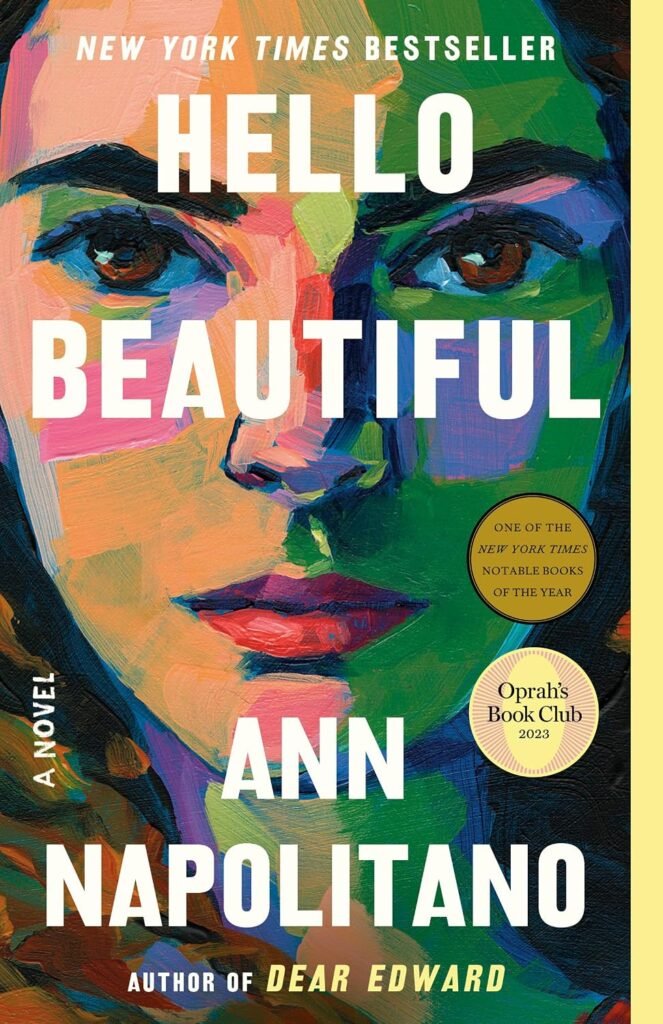
- Kindle Editors’ Picks — a monthly lineup of ebook deals, often priced around a couple of dollars. It’s one of the cheapest ways to find genuinely good books without gambling on a random bestseller.
- Editors’ picks books — the Amazon Book Review team’s monthly list of the best new releases, which is a completely different (and more trustworthy) signal than the “Most Sold” chart.
And if you’ve heard about early access to editors picks amazon, you’re on the right track: during big sale events like Prime Day, Prime members often get a head start on editor-curated deals before they open to everyone else. That early window is exactly why some of the best prices vanish within hours — the badge appears, the discount is real, and the stock is gone before the general public even logs in.

TradingView Editors’ Picks
Over on TradingView, editors picks tradingview actually refers to two separate features, and mixing them up confuses a lot of new traders:
- Featured Scripts — a curated showcase of new indicators and trading strategies created by coders and quants from around the world, hand-picked by the PineCoders team. This is where you’ll find some of the most original open-source Pine Script code published on the platform.
- Ideas Editor’s Picks — a selection of standout trade ideas from the platform’s best authors, covering everything from swing setups to macro analysis.
The good news? Both are editors picks free — no subscription needed to browse them. If you’ve been searching for “editors picks download,” here’s what you actually need to know: you can’t download a TradingView script like a file, but you can open any script and save it to your own editor with one click — for free. You’ll just need an editors pick login (a free TradingView account) to save scripts, follow authors, and build your own watchlist around their ideas.

Moneycontrol Editor’s Picks
Over in the financial-news world, editors picks moneycontrol is something else entirely — a daily evening newsletter that collects the best of Moneycontrol’s exclusive reporting in one place: stock markets, companies, banking, technology, startups, and politics.
It’s worth understanding what this pick actually is: a time-saving filter, not a stock recommendation list. Instead of scrolling through dozens of headlines, you get the handful of stories the editorial team thinks actually matter that day. The sign-up is free, and it also exists as a podcast for people who’d rather listen than read. (The “editors pick login” here simply means giving your email address — the curation is the product, and you’re the audience, not the customer.)
Spotify Editors’ Picks
Music editors are the original curators, and spotify editors picks are the playlists built by Spotify’s editorial team rather than by algorithms. Think of the flagship new-release playlists — the ones that feel hand-arranged, with a flow that an algorithm rarely matches.
Here’s the practical angle: when you find a Spotify editors’ picks playlist you love, you can download it for offline listening — though offline downloads require a Premium subscription, and free-tier listeners can only stream. And one insider truth that rarely gets mentioned: some of these editorial placements are effectively paid for through the platform’s own pitching tools, so a spot on a popular playlist is not automatically a pure quality signal. It’s a blend of taste, timing, and sometimes, budget.
Beyond the Big Four: RealReal, Forbes, Today Show, and More
The same concept shows up in places you might not expect:
- The RealReal Editors’ Picks — curated luxury consignment finds, hand-picked by specialists who vet designer pieces before they’re listed. For pre-loved fashion, the badge signals authenticity screening, which is genuinely valuable.
- Forbes Editors’ Picks — Forbes Vetted’s product recommendations (think mattresses, VPNs, luggage) come from hands-on testing, not just desk research.
- Today Show Editors’ Picks — Shop TODAY’s product roundups, often featuring items the team has actually tested or featured on air.
- Dramabeans Editors’ Picks 2026 — the beloved K-drama year-in-review feature where the site’s editors name their favorite shows of the year. The 2025 edition dropped on New Year’s Eve, and the dramabeans editors picks 2026 edition is expected around the same time this December — the picks are drawn from the official “Beans Count” list, so if you’re making a watchlist for the holidays, that’s the page to bookmark.
- Editors’ picks Okanagan — in Canada’s Okanagan Valley, local lifestyle publications use the same format for wineries, restaurants, and weekend getaways. A regional twist on the same trust mechanic.
- Editors’ winter fashion wish list picks — the seasonal roundups fashion editors publish each year, which are basically early shopping lists that tell you what’s actually worth buying before the trends peak.
Here’s the pattern that connects all of them: an editor’s pick is only as good as the editor behind it. Which raises the question you’ve probably been wondering about all along — why are some of these picks suspiciously cheap?
Why Is Editor’s Pick So Cheap? The Honest Answer
Type “why is editors pick so cheap” into Google — or add “why is editors pick so cheap reddit” to see the real conversations — and you’ll find thousands of people asking the same thing: if this was hand-picked by experts, why does it cost less than everything around it?
The honest answer has four parts:
- It’s a deal badge, not a quality downgrade. On sites like Amazon, editors’ picks are often applied on top of existing discounts — especially during sale events like Prime Day, Black Friday, and Deal Days. The badge is telling you the price drop is worth noticing, not that the product is worth less.
- Value picks are a deliberate strategy. Editors frequently choose the best option under a certain price — “the best budget espresso machine,” not “the best espresso machine, period.” Cheap is often the entire point of the pick.
- Sometimes it’s older stock. A year-old model with a new version on the shelf is a perfectly good product wearing a markdown. The badge is doing its job — flagging the deal — not hiding a flaw.
- Marketplace sellers can carry the badge too. On Amazon specifically, third-party sellers’ items sometimes appear in editors’ picks collections. That’s where most complaints live, and it’s the topic we need to talk about next.
The Reddit threads that ask this question usually end the same way: the pick was legit, and the buyer just couldn’t believe a good product could be affordable. But that’s not always the ending — which is exactly why you should never treat the badge as a guarantee.
Is Editor’s Pick Safe to Buy From?
Straight answer: yes, but the badge is a filter, not a warranty. Here’s how to keep yourself safe without becoming paranoid.
First, check who is selling. On Amazon, an editors’ pick sold and shipped by Amazon itself is a different risk profile than the same badge on a third-party marketplace listing. If you see editors pick reviews complaints online, a huge share of them trace back to marketplace sellers — the curation was real, but the fulfillment and customer service weren’t Amazon’s.
Second, read the three-star reviews. One-star reviews are usually venting; five-star reviews are usually marketing. The three-star reviews are where the truth lives — what broke, what wore out, what the listing photos hid.
Third, check the return policy before you click buy, not after. A generous return window makes almost any editors’ pick a low-risk experiment.
And a quick word for the traders reading this: editors’ picks for stocks are opinions, not advice. Moneycontrol’s picks and TradingView’s featured ideas are starting points for your own research — never a reason to skip it. No badge ever replaced due diligence.
Now that you know the risks, let’s flip to the fun part: how to make these picks work for you, every single time.
How to Find the Best Editor’s Picks Every Time
You don’t need to be an editor to curate like one. You need a system. Here’s mine — five steps that take about ten minutes:
- Know what the badge is for. A product pick, a book pick, and a stock pick are three different trust contracts. Apply the right expectations to each.
- Cross-check two independent sources. If Amazon’s editors and a site like Wirecutter both pick the same vacuum, that’s a signal worth acting on. One source is a suggestion; two is a pattern.
- Check the date. Editors’ picks of the year from three years ago are stale by definition. Seasonal lists (like that winter fashion wish list) expire fast — always verify the picks are current before you trust them.
- Read the why, not just the what. The best editor’s picks pages tell you why something made the cut. If a pick has no reasoning attached, it’s just a logo doing a job.
- Follow the editors, not just the picks. Once you find a team whose taste matches yours — whether it’s Dramabeans for dramas or a specific TradingView author — their picks become predictable in the best way.
One more layer: for best editors picks hunting, set up a routine. Check the seasonal Amazon collections monthly, skim the TradingView featured scripts weekly, and revisit the year-end lists every December. The editors do this full-time; you can borrow their homework on a schedule.

Editor’s Picks vs. Best Sellers: What’s Actually Different?
| Editor’s Picks | Best Sellers | |
|---|---|---|
| How it’s chosen | Editorial judgment, testing, taste | Raw sales volume |
| What it signals | Quality and value, as judged by experts | Popularity and herd momentum |
| Best for | Discovering hidden gems, niche needs | Social proof, mainstream validation |
| The catch | Subjective — taste varies by editor | Popular doesn’t equal good |
The cleanest way to think about it: best sellers tell you what everyone is buying; editors’ picks tell you what someone thoughtful thinks you should consider. Use them together — the best seller chart to know the landscape, the editors’ picks list to find the options the crowd hasn’t caught onto yet.
Editor’s Picks FAQs
What does editors’ picks mean? Editors’ picks are items — products, books, playlists, stocks, or stories — hand-selected by a platform’s editorial team, based on their judgment rather than sales data or advertising.
Why are editors’ picks so cheap? Usually because the badge is applied on top of existing discounts (especially during sale events), or because editors deliberately choose the best value option under a price cap. It’s curation, not a mark of low quality — though you should still check the seller and return policy.
Is an editors’ pick safe to buy from? Generally yes, when it’s sold and fulfilled by the platform itself. For marketplace listings, check the seller’s rating, read three-star reviews, and confirm the return policy before purchasing.
Are TradingView editors’ picks free? Do I need to log in? Yes, featured scripts and ideas are free to browse. A free TradingView account (login) is needed to save scripts, follow authors, and personalize your watchlist.
How do I get early access to Amazon editors’ picks? Early access windows for editor-curated deals are typically offered to Prime members during major sale events like Prime Day. Keep an eye on the deals pages and your account notifications when a sale is announced.
When do Dramabeans editors’ picks 2026 come out? The year-in-review editors’ picks usually publish around New Year’s Eve. The 2025 edition went up on December 31, so expect the 2026 edition in the same window at the end of this year.
Can I download editors’ picks? Spotify playlists can be downloaded for offline listening with Premium, and TradingView scripts can be saved to your own editor. Content like newsletters or curated lists are usually delivered to your inbox or saved to your account instead.
The Takeaway
Here’s the whole thing in one sentence: the editors’ pick badge is a shortcut, not a substitute for judgment.
Use it as your filter — it saves you hours of scrolling and a pile of bad decisions. But never let it be your final answer. Check the seller, read the reasoning, verify the date, and when two thoughtful sources agree, that’s when you can buy with confidence.
Start small: pick one category you shop or follow most — books, dramas, stocks, playlists — and find its best editors’ picks list today. Bookmark it. Set a reminder to check it monthly. In thirty days, you’ll have a taste test of whether curated judgment beats your own scrolling.
My bet? It does. That’s why the badge has survived for as long as it has.

