



You are not lazy.
Say it again, slower: you are not lazy. If you’ve ever paid for a health and fitness gym membership you barely used, started a health and fitness project on a Monday and quietly abandoned it by Wednesday, or told yourself that losing weight is just a matter of “wanting it enough” — this article is for you. Because the latest medical science tells a very different story, and it starts with a sentence that might sting a little:
Obesity is a medical condition, not a character flaw.
Once you really absorb that, everything changes — how you plan your meals, how you walk into the gym, how you talk to yourself in the mirror. That’s what this guide covers: the honest science of why weight loss can feel impossible, what medical experts actually say about obesity, the exercise routines that work for real bodies (not Instagram bodies), and the food that keeps you full instead of deprived. No shame. No gimmicks. No 30-day transformation nonsense.
By the end, you’ll know exactly what to do tomorrow morning. Let’s start with the foundation most blogs skip.

What “Health & Fitness” Actually Means (It’s Not What You Think)
Here’s the thing nobody tells you: health and fitness isn’t one thing. It’s a bundle of abilities your body needs to function well — and only some of them involve sweating.
Researchers split fitness into two buckets. Health related fitness covers the traits that protect you from disease and keep daily life manageable. Skill-related fitness (agility, speed, coordination) matters more for sports. Most of us never touch the second bucket, and that’s fine. The first bucket is where your quality of life lives.
That distinction matters more than it sounds. It’s why a 70-year-old who gardens every day can be “fitter” than a 25-year-old who crushes leg day but can’t walk up three flights of stairs without gasping.
The 5 Health Related Fitness Components
Ask anyone “what are the 5 components of health and fitness?” and you’ll get the same textbook answer — because it’s the framework every qualified trainer actually uses:
- Cardiovascular endurance — how well your heart and lungs deliver oxygen.
- Muscular strength — how much force you can produce in one effort.
- Muscular endurance — how long your muscles can keep working.
- Flexibility — your joints’ full range of motion.
- Body composition — your ratio of muscle to fat.
Here’s the insight most articles miss: body composition is the component that fools people. The scale doesn’t measure it. Two people can weigh the exact same number while one is dramatically healthier — because muscle is denser than fat. That’s why “I lost 10 pounds” can be a win, but “I gained 5 pounds of muscle and lost 8 of fat” is the real victory. Your health related physical fitness isn’t a number on a screen. It’s a set of capabilities.
The 7 Types of Fitness
There’s no single official list, but the most common way fitness pros answer “what are the 7 types of fitness?” is:
Cardiovascular endurance, muscular strength, muscular endurance, flexibility, plus balance, agility, and power.
Notice what’s missing from most people’s routines? Balance and agility. Those two are the quiet heroes of aging well — and we’ll come back to them later, because they’re the difference between staying independent at 80 and needing help to stand up.
So now you know what fitness is. Which raises the uncomfortable question nobody wants to ask: if it’s all so simple, why does it feel impossible?

Why Weight-Loss Can Feel Impossible (And Why It’s Not Your Fault)
Here’s what the “calories in, calories out” crowd doesn’t tell you: your body has veto power.
Weight regulation isn’t a math problem — it’s a biology problem. Several real, diagnosable conditions change how your body stores energy, signals hunger, and responds to food. If you have one of them, “just eat less and move more” isn’t bad advice; it’s incomplete advice.
Take PCOS (polycystic ovary syndrome). It’s a hormonal imbalance that affects millions of women, and it comes with insulin resistance — meaning the body needs more insulin to process the same food, which pushes the body toward storing fat, especially around the middle. A woman with PCOS can eat the same calories as a friend and gain more weight. That’s not a willpower gap. That’s physiology.
The same logic applies to chronic kidney disease and diabetes. Both change how the body handles fluids, protein, and blood sugar. A standard one-size-fits-all diet plan can actually do more harm than good when your kidneys or your insulin signaling are compromised.
Then there’s the environment stacked against everyone:
- Diets high in oils and refined carbohydrates — engineered to be hyper-palatable, so your brain keeps saying “more.”
- A sedentary lifestyle and lack of daily routine exercise — modern jobs have designed movement out of the day.
- Stress and environmental factors not supporting physical activity — long hours, bad sleep, no sidewalks, no time.
- Limited access to qualified medical experts and nutritional education — most people get their “nutrition advice” from social media, not from people trained to give it.
Put it together and you get the uncomfortable truth: for many people, weight loss fails because the system they’re fighting was never designed to help them win. That’s exactly why the “I Am Not Lazy. Obesity Is A Medical Condition.” message matters — it names the real problem so you can stop blaming yourself and start solving the actual issue.
Which brings us to the question you’ve probably been avoiding: what do medical experts actually recommend?

What Medical Experts Say About Obesity
The medical community has shifted its position dramatically in the last decade. Obesity is now officially classified as a chronic, relapsing disease — not a lifestyle choice. Think of it like asthma or hypertension: you don’t “cure” it with a pep talk, you manage it with the right combination of tools, and you manage it for life.
That reframe has a practical payoff. It means treatment options are now evidence-based instead of shame-based. The most talked-about tools are GLP/GIP receptor agonists — the new class of weight-management medications you’ve probably heard about. Here’s what the responsible experts will tell you about them:
- They work with your biology, acting on the hormones that control appetite and satiety.
- They are tools, not magic — results depend on nutrition, movement, and monitoring.
- They require qualified medical supervision for dosing, side effects, and long-term safety.
That last point is the one most people miss. “Getting the drug” isn’t the plan. Getting the guidance is the plan. At our health & fitness center, qualified and trained counsellors provide evidence-based education on GLP/GIP RA usage methods and tips that lead to better, more successful outcomes — and we always pair it with nutrition coaching, because the medication and the lifestyle changes are a team, not rivals.
Once your biology is working with you instead of against you, movement becomes the next unlock. And movement — as it turns out — is the single most powerful thing you can do.
Exercise & Fitness: The Single Most Important Thing You Can Do
Let’s borrow a line from the Harvard experts, because it’s the best one-sentence case for exercise ever written:
Exercising regularly — every day if possible — is the single most important thing you can do for your health.
Short term, exercise controls appetite, boosts mood, and improves sleep. Long term, it reduces your risk of heart disease, stroke, diabetes, dementia, depression, and many cancers. No pill does all of that.
And the mental-health numbers are genuinely shocking. One major study found that sedentary people are 44% more likely to be depressed. Another found that people with mild to moderate depression who exercised just 90 minutes per week got results similar to those taking antidepressants — because exercise releases brain chemicals like serotonin and dopamine that lift mood and combat stress.
The numbers on activity levels are just as startling: only 3 out of 10 American adults are active enough to stay healthy and fit, and nearly 4 out of 10 admit they aren’t active at all. In other words, you’re not alone in the struggle — you’re in the majority.
10 Benefits of Fitness You Can Feel This Week
If someone asks you “what are 10 benefits of fitness?” here’s the list worth remembering:
- Better sleep, often on the first night you exercise.
- A mood lift that lasts hours after you finish.
- Sharper appetite control — workouts quiet the junk-food cravings.
- Lower blood pressure and a stronger heart.
- Better blood sugar control (huge for diabetes and PCOS).
- Stronger bones and muscles as you age.
- Easier weight management without starvation diets.
- Reduced stress and anxiety — your body burns off the cortisol.
- Sharper memory and focus.
- Independence — the ability to live on your own terms at every age.
Most people feel at least three of these within the first two weeks. The problem isn’t motivation — it’s that nobody ever tells you how much is enough.

How Much Exercise Do I Need? (The Simple Math, Minus the Guilt)
Here’s the answer, straight from the guidelines: 150 minutes of moderate-intensity aerobic activity per week — or 75 minutes of vigorous exercise — is the healthy minimum. (For context, that’s the World Health Organization’s baseline recommendation.)
A natural way to split it: 30 minutes, five times a week. Or two 15-minute sessions in a single day — morning and evening. The research shows splitting it up is just as effective, so adopt whatever schedule fits your life instead of waiting for a perfect two-hour block that never arrives.
For strength training, work all your major muscle groups two to three times per week, and leave 48 hours between workouts for recovery. Total-body workouts? That’s two sessions a week. “Leg day” splits? You’ll train more often — just respect the recovery window before reworking a major muscle.
The honest truth about “what is the best advice for health and fitness?” — it’s this: consistency beats intensity, every single time. A 20-minute walk you actually do beats a 90-minute workout you keep postponing. The best exercise is the one you’ll repeat next week.
Which leads to the next question: what kind of exercise should you be doing?
What Are the Best Types of Exercise? (It Depends on Your Goal)
The ideal program blends aerobic training and strength training — that combination strengthens your whole body, builds endurance, and protects your long-term health. But if your priority is cardiovascular health specifically, cardio deserves the premium spot.
Why? Because cardio workouts excel at reducing blood pressure, keeping the inner walls of your arteries healthy, releasing enzymes that break down blood clots, and even promoting the growth of new arteries feeding your heart. Strength training has cardiovascular benefits too — but when the goal is a healthier heart, aerobic exercise leads the way.
For everything else, strength training is the quiet MVP. Studies show it helps you manage — and sometimes prevent — conditions as varied as heart disease, diabetes, arthritis, and osteoporosis. It protects vitality, makes everyday tasks more manageable, and helps you maintain a healthy weight.
Health & Fitness Exercises for Busy People
Don’t overthink this. The best health and fitness exercises for most people are embarrassingly simple:
- Brisk walking — the most underrated exercise on earth. 30 minutes, 5 days a week.
- Stairs — two minutes of stair climbing several times a day counts as moderate activity.
- Bodyweight basics — squats, push-ups (wall or floor), glute bridges. No equipment needed.
- Carrying things — groceries, kids, luggage. Real-life strength training.
Here’s where most people stall, though: they know what exercises to do, but their workouts have become so humdrum that it’s harder than ever to find the energy. Sound familiar? Then you need a real structure — a program with a plan.

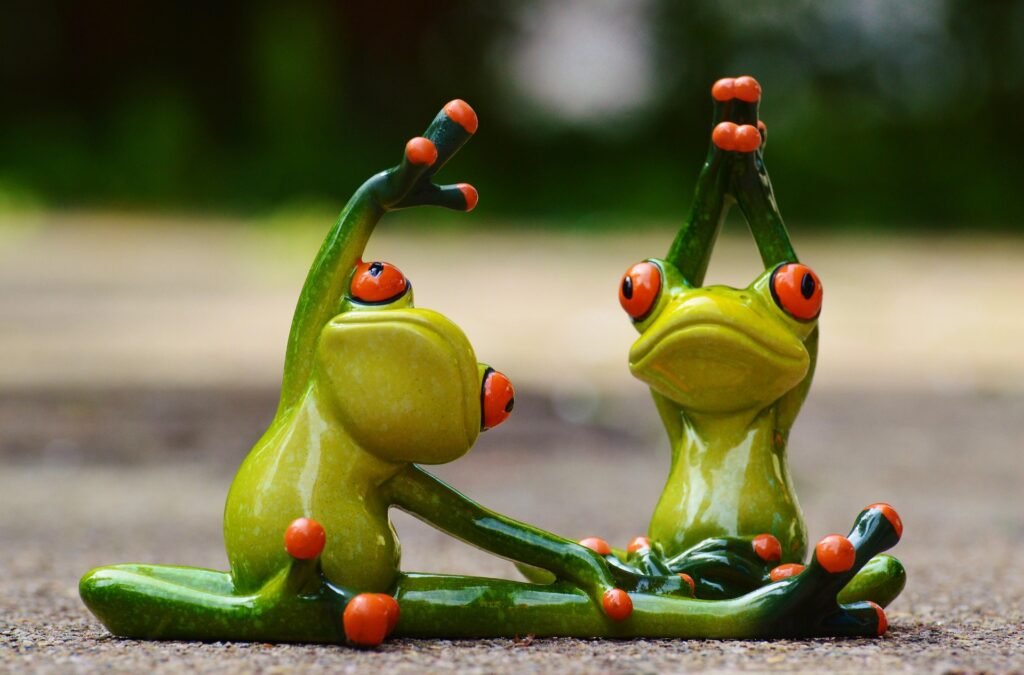
Strength and Power Training for All Ages: 4 Complete Workouts
Strength training is for everyone — not just bodybuilders. Here are four complete workouts you can start this week, no matter your age or experience level.
Workout 1: The 15-Minute Total-Body Beginner Circuit
Perfect for anyone restarting. Three rounds, minimal rest:
- 12 bodyweight squats
- 8 wall push-ups (or knee push-ups)
- 10 glute bridges
- 20-second bird dogs (alternating sides)
Do this three times a week, and you’ve covered every major muscle group.
Workout 2: The Strength Builder (Dumbbells, 2–3×/Week)
The classic progression. Three sets of 8–12 reps of each:
- Goblet squat
- Dumbbell row
- Overhead press
- Dumbbell deadlift
Use a weight where the last two reps feel genuinely hard. Leave 48 hours between sessions.

Workout 3: The Power + Cardio Blend
For when you want to sweat: alternate 30 seconds of an explosive movement (kettlebell swings, squat jumps, or fast shadow boxing) with 60 seconds of brisk walking or marching. Repeat for 20 minutes. It’s the closest thing to “total fitness in one session.”
Workout 4: The Mobility & Balance Routine (All Ages, Especially Seniors)
Ten minutes daily:
- Sit-to-stand from a chair (10 reps) — the single best “independence exercise” there is
- Heel raises, holding the wall (15 reps)
- Single-leg balance, 30 seconds per side (hold a chair if needed)
- Slow arm circles and shoulder rolls
Why Is Exercise So Important for Seniors?
Because the alternative is a cliff, not a slope. Strength and balance training prevent falls — the leading cause of injury-related death in older adults. They maintain bone density, protecting against fractures. They keep everyday tasks — getting up from a chair, carrying groceries, playing with grandkids — painless and easy. And the brain benefits are real: active seniors show slower cognitive decline and lower rates of depression.
The best part? It’s never too late. Studies on people who start strength training in their 70s and 80s still show measurable gains in strength and mobility. Your body responds at any age.
But here’s the insight most fitness content skips: training for the gym is only half the story. The other half is training for your actual life.
Discovering Functional Fitness: Train for Real Life
Think about your last year of everyday movements: squatting to weed a garden, reaching for a book on a high shelf, lifting a suitcase into an overhead bin, getting down on the floor to play with a toddler — and getting back up.
As we age, tasks like these can become harder, even painful. Functional fitness exists to stop that slide — and even reverse it.
What is functional fitness? It improves your ability to carry out daily activities more easily and more confidently. It’s the kind of exercise you need to stay active and independent, on your own terms, doing what you love to do. And the benefits go far beyond muscle strength and mobility — functional training builds confidence, reduces fall risk, and keeps you self-sufficient for years longer than the average person.
The good news: you’re already doing it. Every time you squat to pick something up, you’re training. The workouts above — especially Workout 4 — are built on functional patterns. That’s the whole point: fitness shouldn’t be a separate compartment of your life. It should be your life, upgraded.
But what if you’re starting from a place of serious limitation? What if exercise hurts?
What If My Exercise Ability Is Limited? (You Still Have Options)
Everyone can and should do some form of exercise — even people facing severe limitations.
Experts have designed specific programs for seniors and people with mobility challenges that are low-impact, safe, and can be done even from a sitting position. Chair workouts are a real, research-backed category: seated marching, seated arm raises with light weights, seated twists for the core. They raise your heart rate, build strength, and improve circulation — without requiring you to stand.
If you’re recovering from illness, managing chronic kidney disease, or living with diabetes complications, the rule is simple: meet your body where it is, and let a qualified professional help you progress. Not where Instagram says you should be.
And if you can only manage five minutes a day? Start there. Five minutes is infinitely more than zero, and it builds the habit that becomes thirty.
Movement matters — but let’s be honest about the other half of the equation. You cannot out-exercise a poor diet.
Healthy Fitness Meals: Eating to Feel Full, Not Deprived
Remember the villain from earlier — diets high in oils and refined carbohydrates? Here’s why they sabotage you: they spike your blood sugar, crash it an hour later, and leave you hungrier than before you ate. It’s not a character flaw. It’s food chemistry working against you.
The fix isn’t a fad diet. It’s a simple plate template that works for almost everyone:
- Half your plate: vegetables (colorful, fiber-rich, low-calorie).
- A quarter: lean protein (eggs, chicken, fish, beans, lentils, yogurt).
- A quarter: whole grains or starchy veg (oats, brown rice, sweet potato, quinoa).
Three healthy fitness meals built on this template:
- Breakfast: Oats cooked in milk with berries and a spoon of peanut butter — fiber, protein, and slow-release energy that kills mid-morning cravings.
- Lunch: A big salad with chickpeas, grilled chicken, olive oil, and lemon — protein and fiber that keep you full until dinner.
- Dinner: Stir-fried vegetables with tofu or fish and a small portion of brown rice.
Notice what’s missing? Deprivation. You’re not “on a diet” — you’re upgrading the quality of what you already eat. And if you’re managing PCOS, diabetes, or kidney disease, the details of that plate change — which is exactly why our counsellors pair nutrition education with medical context, instead of handing out generic meal plans.
OK. You know the science, the exercise, the food. Now the practical stuff: where do you actually start — and which tools genuinely help?
Your Health & Fitness Toolkit: Trackers, Gyms, Centers, and Courses
Should You Buy a Health Fitness Tracker?
Yes — with one rule: use it as a compass, not a judge. A health and fitness tracker shines at showing you patterns you’d never notice: how few steps you actually take on workdays, how much your sleep varies, how your resting heart rate responds to stress.
Set one gentle daily goal — steps, active minutes, or sleep — and let the data guide you. The moment the tracker starts making you feel guilty instead of curious, ignore it for a week. The tool works for you, not the other way around.
Choosing a Health and Fitness Gym or Center
The best gym is the one you’ll actually visit — so prioritize proximity and vibe over equipment lists. Look for:
- Qualified, approachable staff (credentials you can verify)
- A trial session or day pass before committing
- Classes that fit your schedule and comfort level
- A welcoming culture — no judgment, no grunting competitions
You’ve got plenty of good options out there, whatever your budget: community facilities like Logan Health Fitness Center, boutique studios like Core Health & Fitness, Icon Health & Fitness, or Ten Health & Fitness, larger clubs like Premier Health & Fitness or Genesis Health Fitness, and senior-friendly networks like Tivity Health’s “Fitness Your Way” program, which connects older adults with thousands of partner gyms. Prefer home? You don’t need a warehouse of health & fitness products — brands like Sunny Health & Fitness make affordable home equipment, and their Sunny health fitness bike and Sunny health fitness treadmill lines are popular first purchases for a reason: simple, sturdy, and no second mortgage required.
And when you’re checking out a program, look for the details that signal quality: a recognizable health fitness logo backed by real credentials, certified trainers, and — if weight management is your goal — access to qualified medical and nutritional expertise. That combination is rarer than it should be.
Health Fitness Courses, Academies, and Certification
If you want to go deeper, education is your shortcut. Health fitness courses — from weekend nutrition workshops to full certifications at a health fitness academy or health and fitness academy — teach you the why behind the what, which is exactly what keeps you consistent when motivation fades.
Health Fitness Jobs: Turn Your Journey Into a Career
Here’s a hidden upside of getting fit: the industry is desperate for good people. Health fitness jobs — personal trainers, nutrition coaches, wellness counsellors — are growing fast, and the best practitioners are the ones who’ve lived the struggle themselves. Professional bodies like the Health & Fitness Association set the standards and credentials that separate real pros from weekend gurus. The same demand is visible everywhere from health & fitness USA to health & fitness Pakistan, where pharma-backed education programs (Getz Pharma’s health & fitness initiatives are a strong example) are training a new generation of qualified professionals.
Quotes, Images, and Staying Inspired
Finally, the fuel. Save health fitness quotes where you’ll see them daily:
“Take care of your body. It’s the only place you have to live.” — Jim Rohn
“The secret of getting ahead is getting started.” — Mark Twain
And curate your visuals deliberately: save health fitness images that reflect your body type and your goals — real people, not airbrushed transformations. Your brain follows what it sees, so feed it images of the life you’re building, not the one you’re escaping.
Which brings us to the questions Google keeps getting asked — and the answers you can actually use.

Frequently Asked Questions
What are the 5 components of health and fitness?
Cardiovascular endurance, muscular strength, muscular endurance, flexibility, and body composition. Together they measure how well your body works — not just how it looks.
What are the 7 types of fitness?
The most common breakdown: cardiovascular endurance, muscular strength, muscular endurance, flexibility, balance, agility, and power. The first five protect your health; balance and agility protect your independence as you age.
What are 10 benefits of fitness?
Better sleep, improved mood, appetite control, lower blood pressure, better blood sugar control, stronger bones and muscles, easier weight management, reduced stress, sharper memory, and lasting independence.
What is the best advice for health and fitness?
Consistency beats intensity. A 20-minute walk you actually do is worth more than a 90-minute workout you keep postponing. Start small, repeat often, and let qualified professionals guide you on anything medical.
How much exercise do I need per week?
150 minutes of moderate activity (or 75 minutes of vigorous activity), plus strength training for all major muscle groups two to three times per week with 48 hours of recovery between sessions.
Is obesity really a medical condition?
Yes. Obesity is classified as a chronic, relapsing disease. It involves complex hormonal, genetic, and environmental factors — which is why shame-based approaches fail and medical, evidence-based ones work.
The Bottom Line: Start Where You Are
Let’s close every loop we opened.
You are not lazy. Your struggles with weight are a medical and environmental reality, not a moral failing — and treating them that way is the first, most important step. The science is on your side now: obesity is a manageable condition, modern tools like GLP/GIP RA therapy work when guided properly, and movement is the most powerful medicine you’ll ever access for free.
The plan is simple enough to remember:
- Understand your body — get qualified medical and nutritional guidance for conditions like PCOS, diabetes, or kidney disease.
- Move daily — even 15 minutes. Consistency beats intensity.
- Upgrade your plate — half vegetables, a quarter protein, a quarter whole grains.
- Build your support system — the right gym, the right tracker, the right people.
That last point is what we do. Our health & fitness center pairs qualified, trained counsellors with reliable education and awareness about weight management, nutrition, and fitness — including evidence-based guidance on GLP/GIP RA usage methods and tips. Browse our health and fitness website for condition-specific guides, courses, and counsellor support, or book a session and talk it through with someone qualified. We’re not here to sell you a miracle. We’re here to give you the education, the support, and the science you were never given.
This article is for educational purposes and does not replace professional medical advice. Always consult qualified healthcare providers before starting a new exercise or treatment program — especially if you have PCOS, diabetes, kidney disease, or other chronic conditions.
SEO Metadata (for publishing)
Meta Title: Health & Fitness Made Simple: Move Better, Eat Smarter, Lose Weight
Meta Description: Health & fitness isn’t about willpower — obesity is a medical condition. Get expert-backed exercise, nutrition, and weight-loss guidance from qualified counsellors.
URL Slug: /health-fitness-guide/
Primary Keywords: health fitness, health and fitness, health related fitness, health & fitness center, healthy fitness meals
Secondary Keywords: health fitness tracker, health fitness gym, health fitness courses, health fitness jobs, health related fitness components, health fitness quotes
Internal Linking Suggestions: Link “GLP/GIP RA” section to a dedicated medication-guidance article; link “PCOS,” “diabetes,” and “chronic kidney disease” mentions to condition-specific pages; link “health fitness courses” to your academy landing page.
Schema Suggestion: Use FAQPage schema for the six FAQ questions above, plus Article schema with the meta title/description. Consider HowTo schema for the four workouts.

